Art and Design Trends to Follow
Explore the latest art and design trends that are shaping the creative world, from sustainable practices to digital innovations.
Embracing Minimalism
Minimalism continues to be a driving force in both art and design. This trend focuses on the idea that less is more, promoting simplicity and functionality. Artists and designers are stripping away unnecessary elements to create clean, uncluttered works that emphasize the essentials. This approach not only creates a visually appealing aesthetic but also allows for more effective communication of ideas and emotions. Minimalism can be seen in various mediums, from graphic design and web interfaces to interior decor and fine art. The trend encourages creators to focus on quality over quantity, ensuring that every element serves a purpose and contributes to the overall composition.
Sustainable Practices
Sustainability has become a crucial consideration in the art and design world. As awareness of environmental issues grows, artists and designers are increasingly seeking eco-friendly materials and processes. This trend encompasses everything from using recycled materials in sculptures and installations to incorporating sustainable practices in fashion and product design. The goal is to reduce the environmental impact of creative endeavors while still producing high-quality, innovative work. By prioritizing sustainability, creators are not only helping to protect the planet but also inspiring others to consider the ecological implications of their own projects.
Bold Colors and Patterns
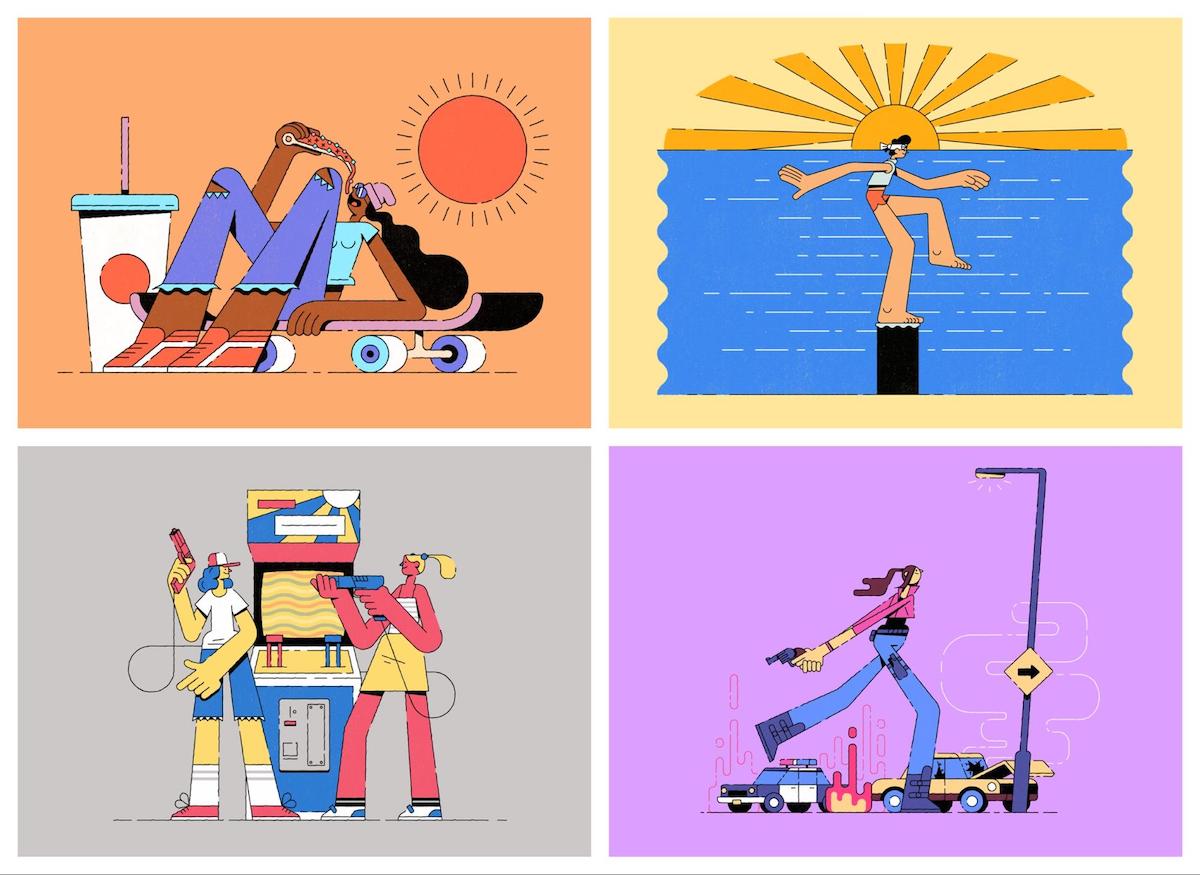
In contrast to the minimalist trend, bold colors and patterns are making a significant impact in the art and design scene. This trend embraces vibrant hues and intricate designs to create visually striking works that capture attention and evoke strong emotional responses. Artists and designers are experimenting with unexpected color combinations and intricate patterns to push the boundaries of traditional aesthetics. This approach can be seen in various forms, from abstract paintings and graphic design to fashion and interior decor. By incorporating bold colors and patterns, creators can make a powerful statement and bring a sense of energy and excitement to their work.
Digital Art and Technology
The rise of digital technology has revolutionized the art and design world, leading to the emergence of new techniques and mediums. Digital art encompasses a wide range of practices, including 3D modeling, animation, and virtual reality. This trend allows artists and designers to explore new possibilities and push the boundaries of traditional art forms. The integration of technology also enables creators to reach a broader audience through online platforms and social media. As digital tools continue to evolve, they offer endless opportunities for innovation and experimentation, making digital art an exciting and dynamic field.
Mixed Media and Collaboration
Mixed media art and collaborative projects are gaining popularity as artists and designers seek to combine different materials and techniques to create unique works. This trend encourages cross-disciplinary collaboration, bringing together creators from various fields to share their skills and perspectives. By blending different mediums, such as painting, sculpture, photography, and digital art, artists can produce rich, multifaceted pieces that challenge conventional boundaries. Collaboration also fosters a sense of community and allows for the exchange of ideas, leading to innovative and unexpected results. This approach highlights the importance of diversity and experimentation in the creative process.
Retro and Vintage Influences
Nostalgia plays a significant role in contemporary art and design, with many creators drawing inspiration from retro and vintage styles. This trend involves revisiting and reinterpreting past aesthetics, from the bold graphics of the 1960s to the sleek lines of mid-century modern design. By incorporating elements from previous eras, artists and designers can create works that feel both familiar and fresh. This approach not only pays homage to the past but also allows for the exploration of timeless themes and motifs. The retro and vintage trend demonstrates the enduring appeal of classic styles and their relevance in the modern creative landscape.
Abstract and Conceptual Art
Abstract and conceptual art continue to be influential trends in the art world. These styles focus on ideas and emotions rather than realistic representations, allowing artists to explore complex concepts and push the boundaries of traditional art forms. Abstract art often uses shapes, colors, and textures to convey meaning, while conceptual art emphasizes the idea behind the work, sometimes incorporating text or performance elements. These trends encourage viewers to engage with the art on a deeper level, prompting them to consider the underlying messages and interpretations. By prioritizing ideas over aesthetics, abstract and conceptual art challenge conventional notions of beauty and creativity.
Personalization and Customization
In an increasingly digital and mass-produced world, personalization and customization have become important trends in art and design. This approach involves creating unique, tailored experiences for individuals, whether through custom artwork, bespoke furniture, or personalized digital content. By focusing on the specific needs and preferences of the audience, creators can forge a deeper connection with their clients and viewers. This trend highlights the importance of individuality and personal expression in the creative process. Personalization and customization also offer opportunities for artists and designers to showcase their versatility and adaptability, as they tailor their work to meet diverse demands and tastes.