Essential Car Care Tips for Every Driver
Learn essential car care tips to keep your vehicle running smoothly and extend its lifespan. From regular maintenance to seasonal checks, ensure your car is in top condition.
Regular Maintenance Checks
One of the most important aspects of car care is performing regular maintenance checks. This includes inspecting your vehicle's fluids, such as engine oil, coolant, brake fluid, and transmission fluid. Regularly checking and topping off these fluids ensures that your car runs smoothly and prevents potential damage. Additionally, you should inspect the tire pressure and tread depth to ensure safe driving conditions. Proper tire maintenance not only improves fuel efficiency but also enhances vehicle handling and safety. Lastly, don't forget to replace your air filters regularly to maintain optimal engine performance and air quality inside the cabin.
Engine Care
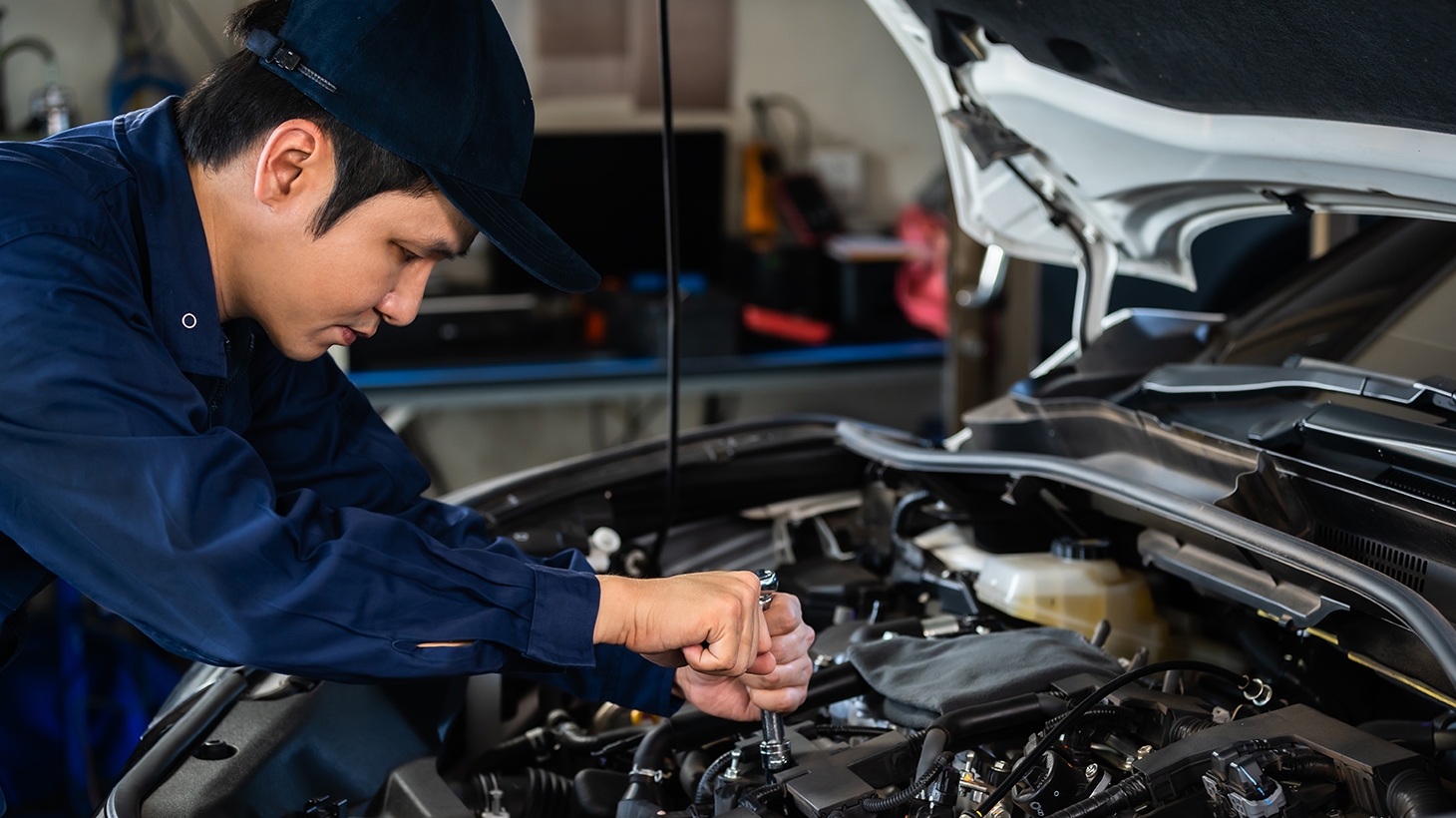
The engine is the heart of your vehicle, and taking good care of it is crucial. Regularly changing the engine oil and oil filter is one of the simplest yet most effective ways to prolong the life of your engine. Over time, engine oil breaks down and becomes less effective at lubricating and protecting the engine components. Refer to your vehicle's manual for the recommended oil change intervals. Additionally, pay attention to any unusual noises or vibrations coming from the engine, as these could be early signs of potential issues. Addressing these problems early can save you from costly repairs down the road.
Battery Maintenance
A well-maintained battery is essential for reliable vehicle performance. Regularly check the battery terminals for any signs of corrosion and clean them if necessary. Ensure that the battery is securely mounted and that the connections are tight. If your battery is more than a few years old, consider having it tested to determine its remaining lifespan. Extreme temperatures can affect battery performance, so it's important to keep an eye on it during both hot and cold weather. If your car struggles to start or the lights seem dim, it may be time to replace the battery.
Brake System Care
Your vehicle's brake system is critical for safety, so it's important to keep it in top condition. Regularly check the brake pads and replace them if they are worn out. Listen for any unusual sounds when braking, such as squeaking or grinding, as these could indicate that the brake pads need attention. Additionally, check the brake fluid level and top it off if necessary. Low brake fluid can affect braking performance and could be a sign of a leak in the system. Regular brake inspections can help prevent accidents and ensure that your vehicle stops safely and effectively.
Tire Care
Proper tire care is essential for both safety and performance. Regularly check the tire pressure and inflate them to the recommended levels. Under-inflated tires can lead to poor fuel efficiency and uneven tire wear, while over-inflated tires can reduce traction and increase the risk of a blowout. Additionally, rotate your tires regularly to ensure even wear and extend their lifespan. Inspect the tread depth to ensure that your tires have adequate grip, especially in wet or slippery conditions. Replace your tires when the tread depth becomes too low to maintain safe driving conditions.
Exterior and Interior Care
Taking care of your vehicle's exterior and interior not only keeps it looking good but also helps maintain its value. Regularly wash and wax your car to protect the paint from dirt, grime, and UV damage. Pay attention to the undercarriage, especially during winter months when road salt can cause corrosion. For the interior, vacuum the carpets and seats regularly to remove dirt and debris. Use appropriate cleaners for the dashboard, upholstery, and other surfaces to keep them in good condition. Keeping your car clean and well-maintained can make a significant difference in its overall appearance and longevity.
Seasonal Care Tips
Different seasons bring different challenges for car care. In the winter, ensure that your vehicle is prepared for cold weather by checking the antifreeze levels and using winter-grade oil if necessary. Consider installing winter tires for better traction on snow and ice. In the summer, keep an eye on the coolant levels to prevent overheating. Hot weather can also affect tire pressure, so check it more frequently. Additionally, protect your car's interior from sun damage by using sunshades and parking in shaded areas. Adapting your car care routine to the changing seasons can help keep your vehicle in optimal condition year-round.