Essential Tips for a Thriving Vegetable Garden
Discover essential tips for a thriving vegetable garden, from soil preparation to pest control, ensuring a bountiful harvest all season long.
Planning Your Garden Layout
A successful vegetable garden starts with a well-thought-out layout plan. Begin by selecting a location that receives at least six hours of sunlight daily. Ensure the soil is well-drained and rich in organic matter. Consider the types of vegetables you want to grow and their specific spacing requirements. Group plants with similar needs together to streamline care. For instance, place taller plants like tomatoes and corn on the north side to prevent them from shading shorter plants. Also, think about crop rotation to avoid soil depletion and pest build-up. Drawing a garden map can help visualize the layout and make future planting more efficient.
Soil Preparation
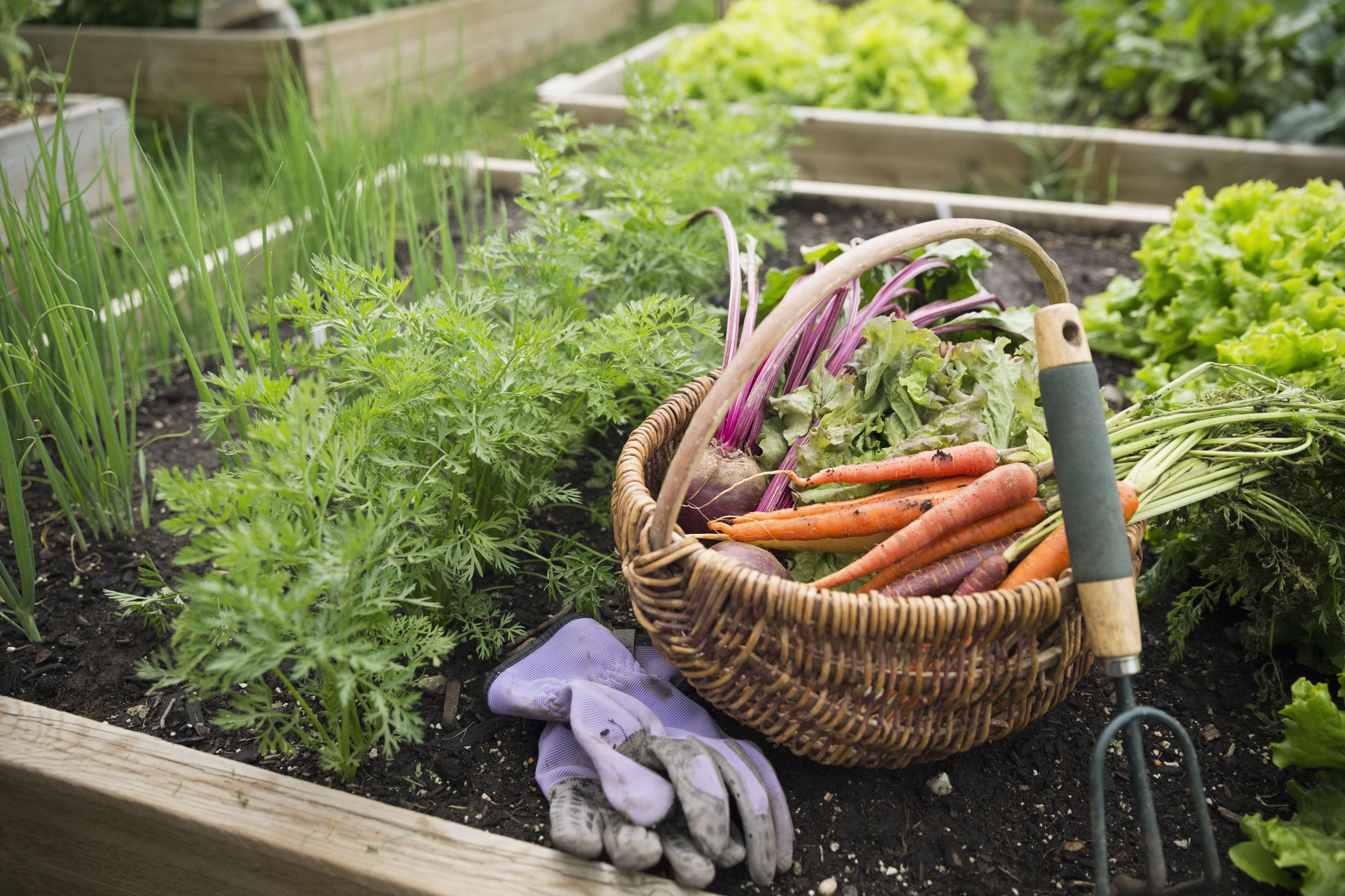
The foundation of a thriving vegetable garden is healthy soil. Start by testing the soil pH and nutrient levels, which can be done with a home testing kit or through a local extension service. Most vegetables prefer a pH between 6.0 and 7.0. Amend the soil with organic matter such as compost or aged manure to improve its structure, fertility, and drainage. Avoid using synthetic fertilizers, as they can harm beneficial soil organisms. Instead, opt for organic options like bone meal or fish emulsion. Regularly tilling the soil can also help aerate it and break up compacted areas, promoting better root growth.
Choosing the Right Plants
Selecting the right plants for your garden is crucial for success. Choose vegetable varieties that are well-suited to your climate and growing conditions. Look for disease-resistant varieties to minimize potential problems. It's also wise to start with easy-to-grow vegetables like lettuce, radishes, and beans if you're a beginner. Consider the growing season of each plant and plan your planting schedule accordingly. Some vegetables, like peas and spinach, thrive in cooler weather, while others, such as peppers and cucumbers, need warmer temperatures. Mixing perennials with annuals can provide continuous harvests throughout the year.
Watering Techniques
Proper watering techniques are essential for a healthy vegetable garden. Most vegetables require about one inch of water per week, but this can vary depending on the plant and weather conditions. Water early in the morning to reduce evaporation and allow leaves to dry before nightfall, which helps prevent fungal diseases. Use a soaker hose or drip irrigation system to deliver water directly to the roots, minimizing water wastage. Mulching around plants can help retain soil moisture and suppress weeds. Be mindful not to overwater, as this can lead to root rot and other issues. Consistent moisture levels are key to preventing problems like blossom end rot in tomatoes.
Pest and Disease Management
Keeping your garden free from pests and diseases is vital for a bountiful harvest. Implement integrated pest management (IPM) strategies, which include monitoring, prevention, and control. Encourage beneficial insects like ladybugs and lacewings that prey on harmful pests. Use physical barriers such as row covers to protect plants from insects and birds. Regularly inspect plants for signs of disease or pest damage, and take action promptly. Organic options like neem oil or insecticidal soap can be effective against many pests. Crop rotation and proper spacing can also reduce the risk of disease. Maintaining garden hygiene by removing dead plant material can prevent the spread of pathogens.
Fertilization
Proper fertilization is key to vigorous plant growth and high yields. Use organic fertilizers like compost, worm castings, or fish emulsion to provide essential nutrients without harming the environment. Follow the specific nutrient requirements of each vegetable; leafy greens, for example, benefit from nitrogen-rich fertilizers, while fruiting plants like tomatoes need more phosphorus. Avoid over-fertilizing, as this can lead to nutrient imbalances and environmental pollution. Side-dressing plants with compost during the growing season can provide a nutrient boost. Regular soil testing can help you adjust your fertilization strategy to meet your garden's needs.
Harvesting Techniques
Knowing when and how to harvest your vegetables is crucial for maximizing yield and ensuring the best flavor. Harvest vegetables at their peak ripeness for the best taste and nutritional value. Use clean, sharp tools to avoid damaging plants. For continuous harvest crops like lettuce and spinach, pick the outer leaves first to allow the plant to keep producing. Root crops like carrots and radishes should be gently loosened from the soil to prevent breakage. Proper storage is also important; some vegetables like potatoes and onions need to be cured before storage, while others like leafy greens should be refrigerated immediately.
Seasonal Care and Maintenance
A thriving vegetable garden requires ongoing care and maintenance throughout the growing season. Regularly weed your garden to prevent competition for nutrients and water. Mulching can help suppress weeds and retain soil moisture. Prune plants as needed to promote healthy growth and airflow, reducing the risk of disease. Keep an eye on weather forecasts and protect plants from extreme conditions like frost or heatwaves. Using row covers or shade cloths can provide additional protection. Stay vigilant for signs of stress or nutrient deficiencies, and address issues promptly to keep your garden healthy and productive.