How Hybrid Engines Work: A Beginner's Guide
Discover the fundamentals of hybrid engines, their components, and how they combine electric and gasoline power for efficiency.
Understanding Hybrid Engines
Hybrid engines combine the best of both internal combustion engines (ICE) and electric motors. Unlike traditional vehicles that rely solely on gasoline or diesel, hybrids use a mix of fuel and electric power. This dual system allows for better fuel efficiency and reduced emissions. The electric motor assists the ICE during acceleration, which is when fuel consumption is typically highest. This synergy between the two power sources results in a more environmentally friendly and cost-effective driving experience.
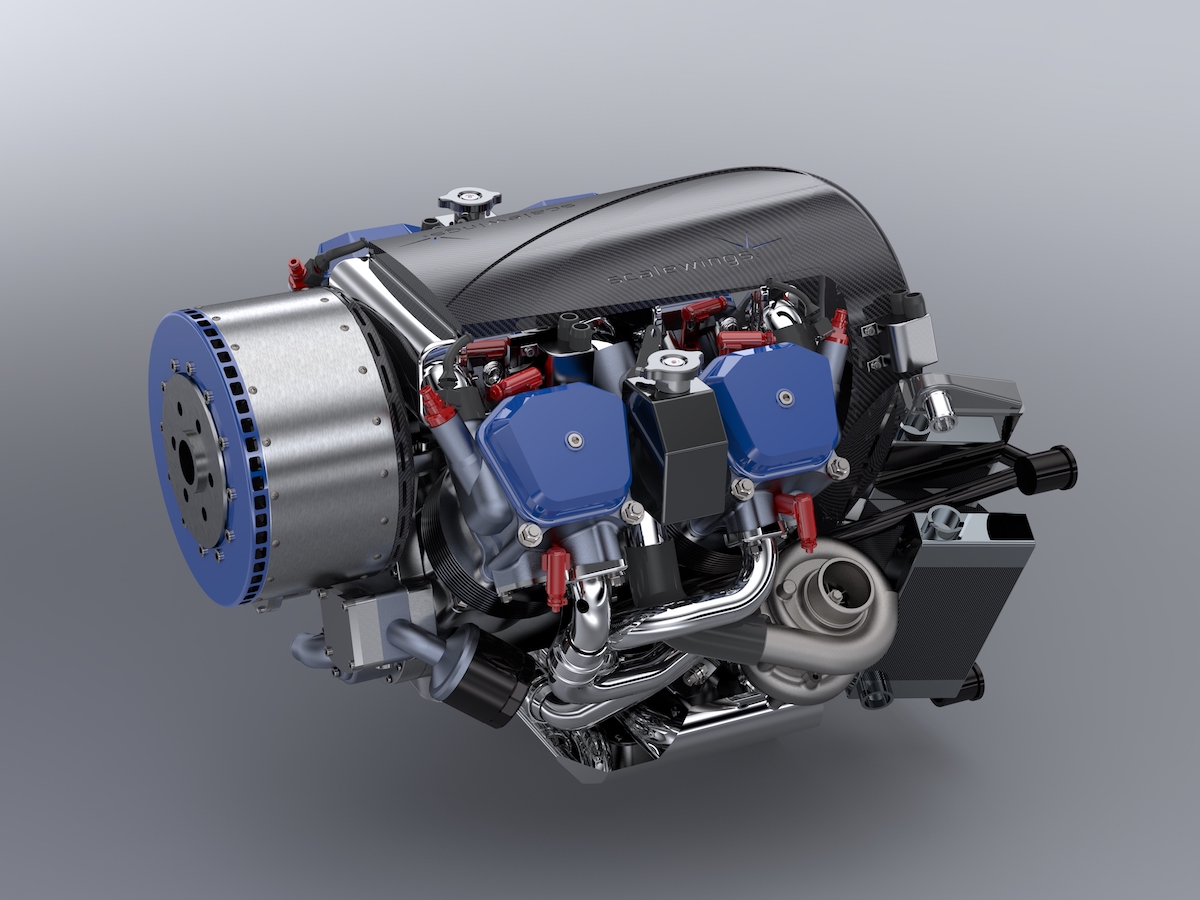
Components of a Hybrid Engine
A hybrid engine consists of several key components: the internal combustion engine, electric motor, battery pack, and power control unit. The internal combustion engine is similar to that found in traditional vehicles, running on gasoline or diesel. The electric motor provides additional power and can sometimes run the vehicle independently. The battery pack stores electrical energy, and the power control unit manages the flow of energy between the engine, motor, and battery. Together, these components work seamlessly to optimize performance and efficiency.
Types of Hybrid Engines
There are three main types of hybrid engines: parallel hybrids, series hybrids, and plug-in hybrids. In parallel hybrids, both the internal combustion engine and electric motor can drive the wheels directly. Series hybrids use the internal combustion engine solely to generate electricity, which then powers the electric motor. Plug-in hybrids have larger battery packs that can be recharged by plugging into an external power source, allowing them to run on electric power alone for short distances. Each type has its advantages and is suited to different driving needs and preferences.
How Hybrid Engines Save Fuel
Hybrid engines save fuel by using the electric motor to assist the internal combustion engine during high-demand situations, such as acceleration and climbing hills. When the vehicle is cruising or idling, the electric motor can take over, reducing fuel consumption. Additionally, hybrids often feature regenerative braking, which captures energy normally lost during braking and stores it in the battery. This stored energy can then be used to power the electric motor, further improving fuel efficiency. These strategies help hybrids achieve higher miles per gallon (MPG) compared to traditional vehicles.
Environmental Benefits of Hybrid Engines
One of the main advantages of hybrid engines is their reduced environmental impact. By relying partially on electric power, hybrids emit fewer pollutants and greenhouse gases compared to traditional vehicles. This reduction in emissions helps improve air quality and combat climate change. Additionally, the improved fuel efficiency of hybrids means less fuel consumption overall, which conserves natural resources and reduces the demand for fossil fuels. As more drivers switch to hybrid vehicles, the cumulative environmental benefits become even more significant.
Maintenance and Longevity
Maintaining a hybrid vehicle is similar to maintaining a traditional vehicle, with a few key differences. The internal combustion engine still requires regular oil changes, tune-ups, and other routine maintenance. However, the electric motor and battery pack require less frequent servicing. Hybrid batteries are designed to last for many years, often outlasting the vehicle itself. Some hybrids also feature regenerative braking systems, which reduce wear and tear on the brake pads, extending their lifespan. Overall, hybrids can be more cost-effective to maintain in the long run.
The Future of Hybrid Technology
As technology continues to advance, hybrid engines are becoming even more efficient and powerful. Innovations in battery technology and electric motor design are leading to longer electric-only ranges and faster charging times. Additionally, manufacturers are exploring new ways to integrate renewable energy sources, such as solar panels, into hybrid vehicles. These advancements promise to make hybrids an even more attractive option for eco-conscious drivers. As the automotive industry moves towards a more sustainable future, hybrid engines are likely to play a crucial role in bridging the gap between traditional internal combustion engines and fully electric vehicles.