How to Build a Raised Garden Bed
Learn how to build a raised garden bed with our step-by-step guide, perfect for both beginners and seasoned gardeners.
Introduction to Raised Garden Beds
Raised garden beds are a fantastic way to cultivate a variety of plants, from vegetables and herbs to flowers and shrubs. They offer several benefits, including improved soil drainage, better control over soil quality, and reduced strain on your back and knees. Building a raised garden bed can be a rewarding project that enhances your gardening experience. In this article, we will guide you through the process, from selecting the right materials to planting your first seeds.
Choosing the Right Location
The first step in building a raised garden bed is selecting the perfect location. Sunlight is crucial for plant growth, so choose a spot that receives at least six to eight hours of direct sunlight each day. Additionally, consider the proximity to a water source, as regular watering is essential. The ground should be relatively level to ensure even water distribution. Avoid areas with poor drainage, as waterlogged soil can harm plant roots. By carefully selecting the location, you set the foundation for a thriving garden.
Selecting Materials and Tools
When it comes to materials, you have several options, including wood, stone, and metal. Cedar and redwood are popular choices for their natural resistance to rot and insects. Avoid using treated wood, as it may contain chemicals harmful to plants. You'll also need basic tools such as a saw, screwdriver, measuring tape, and level. Gather all materials and tools before starting the project to ensure a smooth building process. Investing in quality materials and tools will pay off in the longevity and durability of your garden bed.
Designing Your Garden Bed
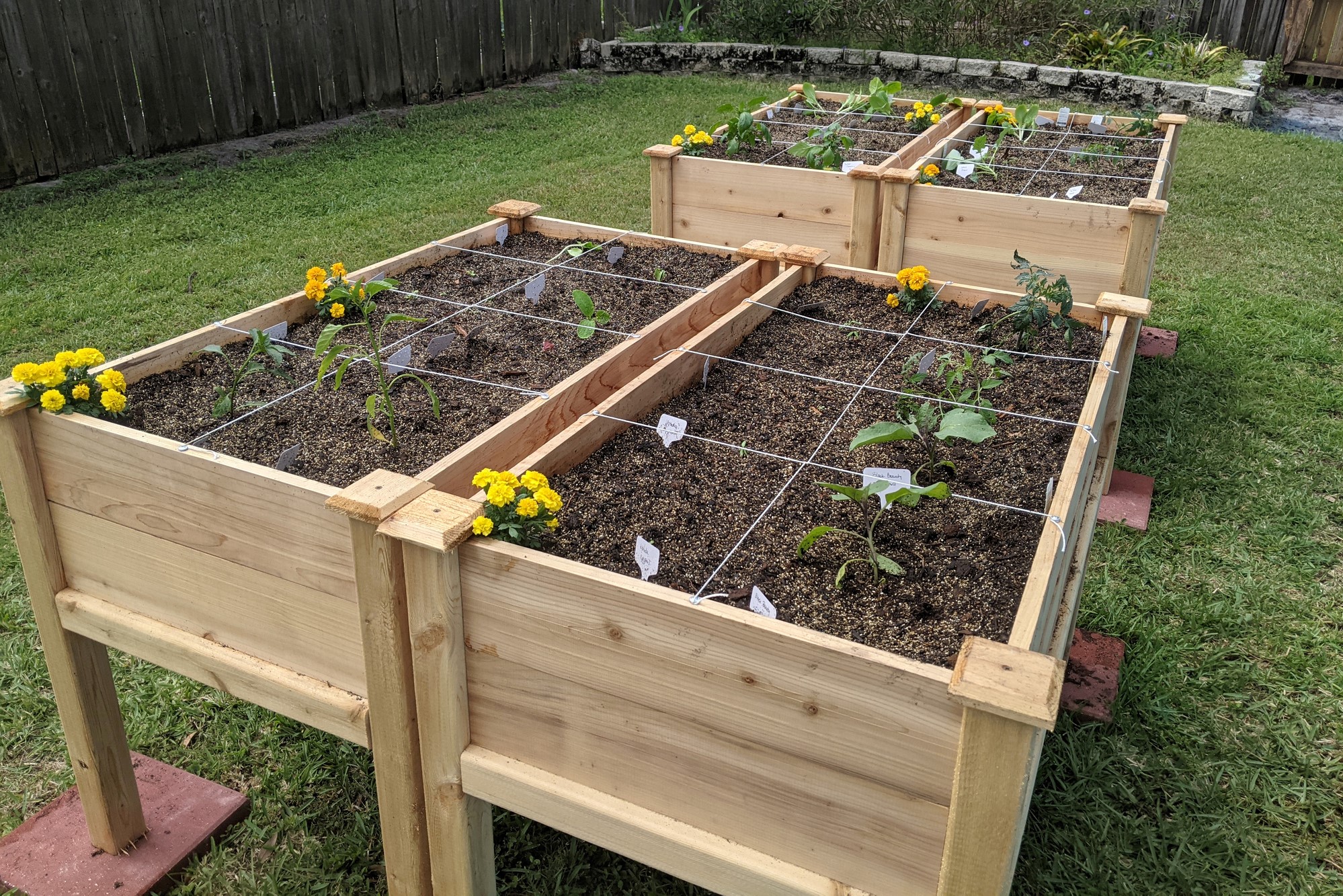
Designing your raised garden bed involves determining its size and shape. Standard dimensions are typically 4 feet wide by 8 feet long, which allows easy access from both sides without stepping on the soil. The height can vary, but 12 to 18 inches is common. Consider the types of plants you want to grow and their root depth requirements. Draw a sketch of your design and make adjustments as needed. A well-planned design ensures efficient use of space and resources, leading to a more productive garden.
Constructing the Frame
To construct the frame, start by cutting your chosen material to the desired lengths. Assemble the frame by securing the corners with screws or nails. Use a level to ensure the frame is even on all sides. If building multiple beds, leave enough space between them for easy access. Once the frame is complete, place it in the selected location and check for stability. A sturdy frame is essential for holding the soil and plants in place, especially during heavy rains or strong winds.
Preparing the Soil
The quality of soil in your raised garden bed is crucial for plant health. Start by laying a layer of landscape fabric or cardboard at the bottom to suppress weeds. Fill the bed with a mix of topsoil, compost, and organic matter. This combination provides essential nutrients and promotes good drainage. Aim for a soil depth of at least 12 inches to accommodate root growth. Regularly amend the soil with compost and organic fertilizers to maintain its fertility. Healthy soil is the key to a bountiful harvest.
Planting Your Garden
Once the soil is prepared, it's time to start planting. Choose plants that are well-suited to your climate and soil conditions. Follow the planting instructions for each type of plant, paying attention to spacing and depth requirements. Consider companion planting to maximize space and promote healthy growth. Water the plants thoroughly after planting and mulch the surface to retain moisture and reduce weed growth. Proper planting techniques set the stage for a successful and productive garden.
Maintaining Your Raised Garden Bed
Maintenance is essential to keep your raised garden bed in top condition. Regularly check for weeds, pests, and diseases. Remove weeds promptly to prevent them from competing with your plants for nutrients and water. Monitor for signs of pests and take appropriate action if needed. Water your garden consistently, especially during dry periods. Prune and harvest plants as necessary to encourage continuous growth. With proper care, your raised garden bed will flourish and provide you with fresh produce and beautiful blooms throughout the growing season.