How to Improve Your Flexibility with Stretching
Discover effective stretching techniques to enhance your flexibility, prevent injuries, and boost your overall physical performance.
Understanding the Importance of Flexibility
Flexibility is a crucial component of overall fitness that often gets overlooked. It plays a significant role in enhancing performance in physical activities, reducing the risk of injuries, and improving posture. When your muscles are flexible, they can achieve a greater range of motion, which means you can perform movements more efficiently and with less effort. Improved flexibility can also alleviate muscle soreness and tension, leading to better overall well-being. Whether you are an athlete or someone who enjoys occasional workouts, incorporating stretching exercises into your routine can offer numerous benefits that extend beyond the gym or sports field.
Types of Stretching Techniques
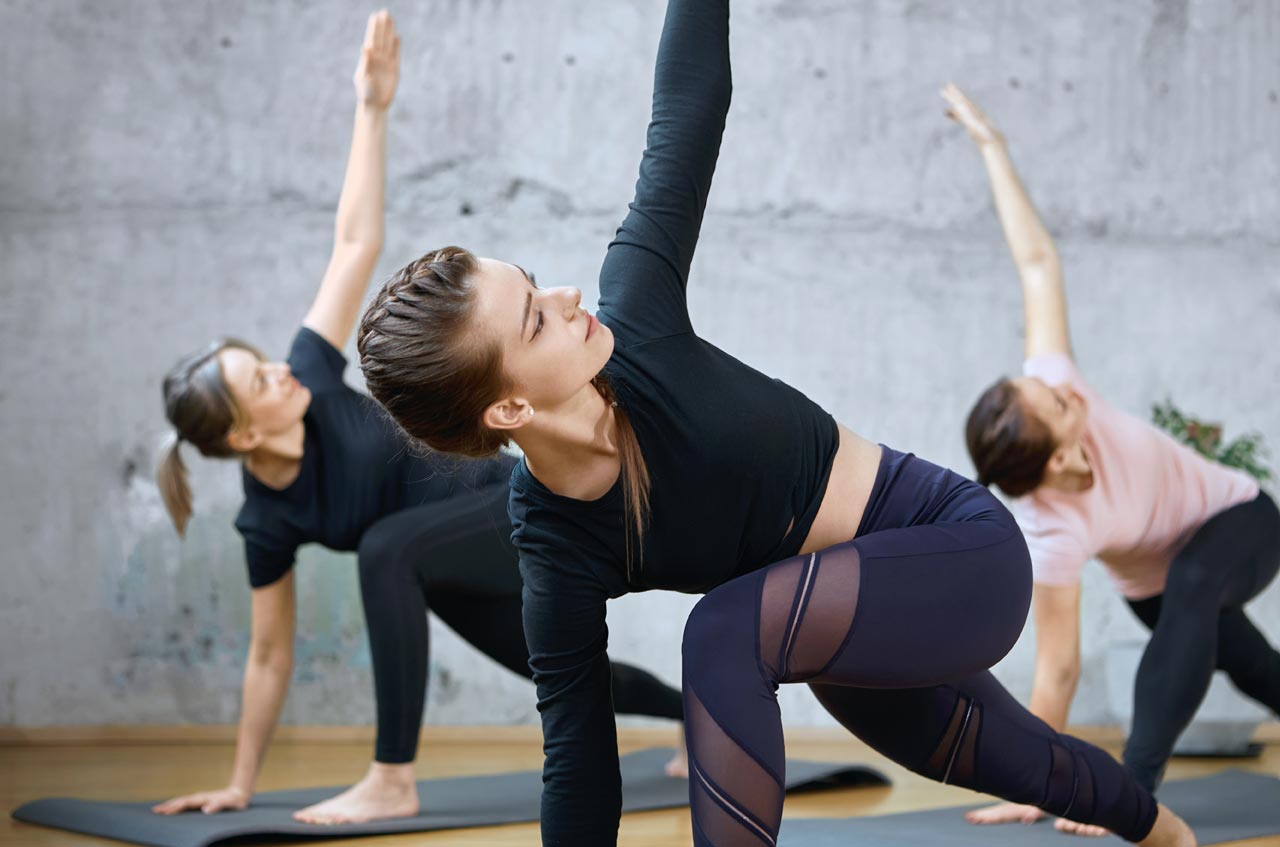
There are several types of stretching techniques, each serving a different purpose. Static stretching involves holding a stretch for a prolonged period, usually between 15 to 60 seconds. This type of stretching is excellent for cooling down after a workout. Dynamic stretching, on the other hand, involves moving parts of your body through a full range of motion and is often used as a warm-up. Ballistic stretching uses the momentum of a moving body or a limb to force it beyond its normal range of motion, which can be risky if not done correctly. PNF (Proprioceptive Neuromuscular Facilitation) stretching involves both stretching and contracting the muscle group being targeted. Understanding these techniques can help you choose the most appropriate one for your needs.
Creating a Stretching Routine
To improve flexibility effectively, it's essential to create a consistent stretching routine. Start by identifying the areas where you need the most improvement, such as your hamstrings, shoulders, or lower back. Incorporate a mix of static and dynamic stretches to target these areas. Aim to stretch at least three times a week, dedicating around 15 to 30 minutes per session. Remember to warm up your muscles before stretching to prevent injuries. A simple five-minute jog or a few jumping jacks can suffice. Consistency is key, so make stretching a regular part of your fitness routine to see long-term benefits.
The Role of Breathing in Stretching
Proper breathing is often overlooked but is vital for effective stretching. When you hold your breath, your muscles tend to contract, making it harder to achieve a good stretch. Instead, focus on deep, controlled breathing to help relax your muscles and increase your range of motion. Inhale deeply through your nose as you prepare to stretch, and exhale slowly through your mouth as you move into the stretch. This technique not only helps you stretch more effectively but also enhances your overall relaxation and mental focus. Incorporating mindful breathing into your stretching routine can make a significant difference in your flexibility progress.
Listening to Your Body
One of the most important aspects of stretching is learning to listen to your body. It's crucial to differentiate between discomfort and pain. Stretching should never be painful; if you feel sharp or intense pain, you are likely overdoing it and risking injury. Instead, aim for a gentle tension that feels comfortable and sustainable. Pay attention to how your body responds to different stretches and adjust accordingly. Over time, you'll become more attuned to your body's signals, allowing you to stretch more effectively and safely. Remember, flexibility improvement is a gradual process, and patience is essential for long-term success.