The Basics of Electric Motorcycles
Electric motorcycles are revolutionizing the way we ride, offering eco-friendly, efficient, and exhilarating alternatives to traditional gasoline-powered bikes.
Introduction to Electric Motorcycles
Electric motorcycles are rapidly gaining popularity as a sustainable and efficient alternative to traditional gas-powered bikes. Electric motorcycles are powered by electric motors and batteries, which offer several advantages over their combustion engine counterparts. These benefits include reduced emissions, lower operating costs, and quieter operation. As technology advances, electric motorcycles are becoming more accessible and practical for everyday use. This article will explore the basics of electric motorcycles, highlighting their key features, benefits, and considerations for potential buyers.
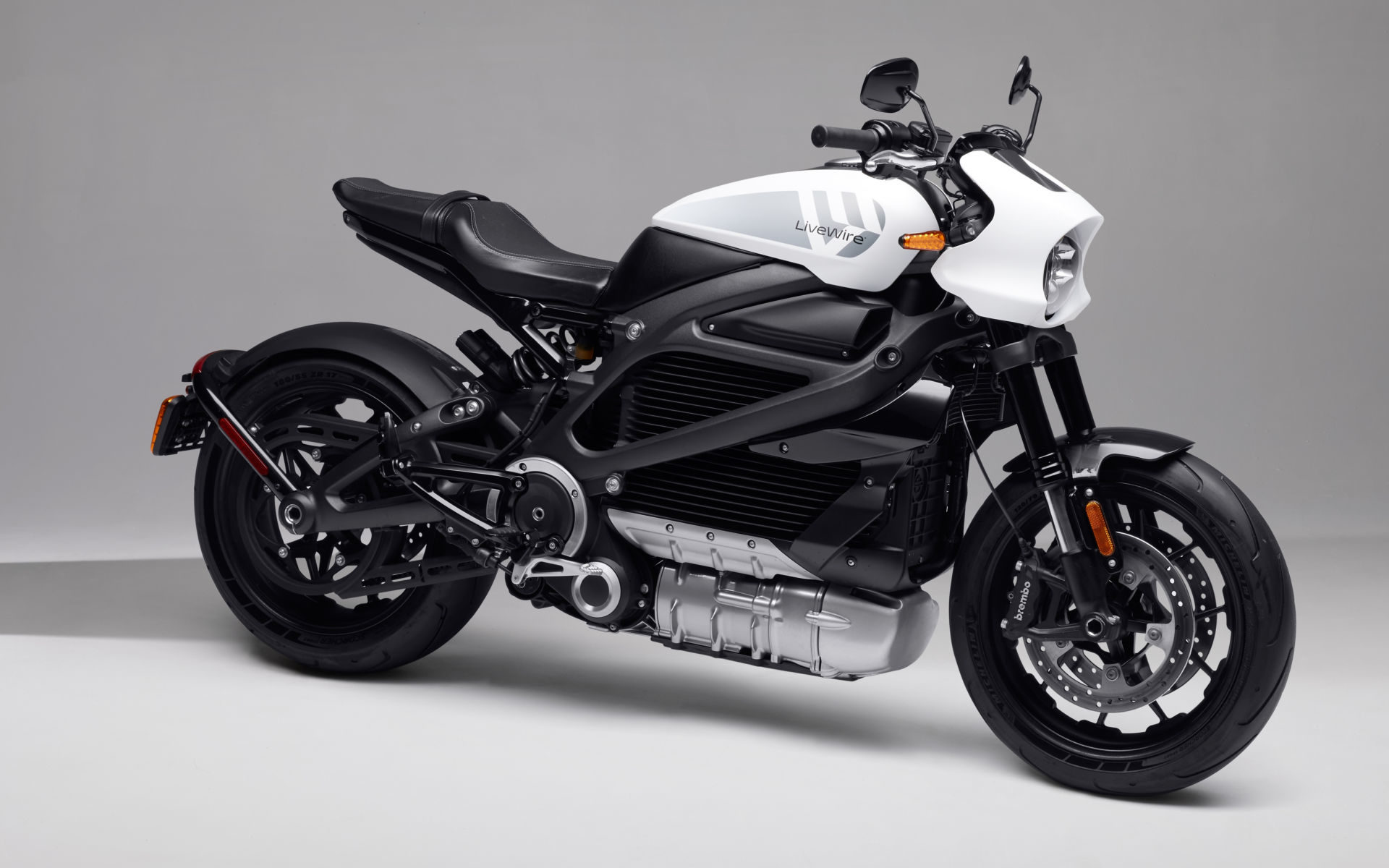
How Electric Motorcycles Work
At the heart of an electric motorcycle is its electric motor, which is powered by a rechargeable battery. Unlike traditional motorcycles that rely on internal combustion engines, electric motorcycles convert electrical energy into mechanical energy to drive the wheels. The battery pack stores energy and supplies it to the motor, which then produces torque to propel the bike forward. Most electric motorcycles use a direct drive system, eliminating the need for a transmission and providing smoother acceleration. Additionally, regenerative braking systems are often incorporated to recharge the battery during braking, enhancing overall efficiency.
Benefits of Electric Motorcycles
One of the most significant advantages of electric motorcycles is their environmental impact. By producing zero tailpipe emissions, they contribute to reducing air pollution and greenhouse gas emissions. Additionally, electric motorcycles are more energy-efficient than their gas-powered counterparts, converting a higher percentage of energy from the battery into motion. Lower operating costs are another key benefit, as electricity is generally cheaper than gasoline, and electric motorcycles require less maintenance. There are no oil changes, spark plugs, or complex engine components to worry about, resulting in lower long-term costs.
Range and Charging Considerations
A common concern for potential electric motorcycle buyers is the range—how far the bike can travel on a single charge. The range of an electric motorcycle depends on several factors, including battery capacity, riding style, and terrain. Modern electric motorcycles typically offer a range that is sufficient for daily commuting and short trips. Charging infrastructure is another important consideration. Charging stations are becoming more widespread, and many electric motorcycles can be charged at home using standard electrical outlets. Fast-charging options are also available, significantly reducing the time needed to recharge the battery.
Performance and Riding Experience
Electric motorcycles are known for their impressive performance characteristics. The instant torque provided by electric motors results in quick acceleration and a smooth, responsive ride. Electric motorcycles are also quieter than traditional bikes, offering a more serene riding experience without the noise of a roaring engine. This can be particularly advantageous in urban environments where noise pollution is a concern. Riders often appreciate the simplicity of electric motorcycles, with fewer mechanical components and a more straightforward operation. However, some enthusiasts may miss the sound and feel of a traditional engine.
Considerations for Potential Buyers
When considering an electric motorcycle, potential buyers should evaluate several factors to ensure they choose the right model for their needs. Battery life and range are crucial considerations, as they determine how far you can travel before needing to recharge. It's also important to assess the availability of charging infrastructure in your area. Cost is another factor; while electric motorcycles can have a higher upfront price, the long-term savings on fuel and maintenance can offset this initial investment. Additionally, prospective buyers should consider their riding habits and preferences, as the riding experience on an electric motorcycle can differ significantly from that of a traditional bike. By weighing these factors, individuals can make an informed decision and enjoy the benefits of electric motorcycling.