The Benefits of Composting and How to Start
Discover the environmental and personal benefits of composting, along with simple steps to start your own compost at home.
Introduction to Composting
Composting is a natural process that transforms organic waste into a nutrient-rich soil amendment. By recycling kitchen scraps, yard waste, and other biodegradable materials, composting reduces landfill waste and enriches garden soil. Composting not only benefits the environment but also enhances the health of your plants. Whether you have a large garden or a small urban space, starting a composting system is an effective way to contribute to sustainability. This article will delve into the benefits of composting and provide practical steps to get started.
Environmental Benefits
One of the most significant advantages of composting is its positive impact on the environment. Organic waste makes up a large portion of landfill content, where it decomposes anaerobically, releasing methane, a potent greenhouse gas. Composting diverts this waste from landfills, reducing methane emissions and lowering your carbon footprint. Additionally, compost enriches the soil, reducing the need for chemical fertilizers, which can leach into waterways and cause pollution. By composting, you are actively participating in a cycle that supports ecological balance and promotes a healthier planet.
Improving Soil Health
Compost acts as a natural soil conditioner, improving soil structure, texture, and fertility. It enhances the soil's ability to retain moisture, which is particularly beneficial in arid regions or during dry seasons. The organic matter in compost provides essential nutrients that promote plant growth, such as nitrogen, phosphorus, and potassium. Compost also encourages the presence of beneficial microorganisms, which help break down organic material and suppress soil-borne diseases. By incorporating compost into your garden, you create a thriving environment for your plants, leading to healthier and more productive growth.
Cost Savings
In addition to environmental benefits, composting can lead to significant cost savings for gardeners. By recycling kitchen scraps and yard waste, you reduce the amount of garbage you need to dispose of, potentially lowering your waste management costs. Moreover, the nutrient-rich compost you produce can replace store-bought fertilizers, saving you money on gardening supplies. Composting also reduces the need for water, as compost-amended soil retains moisture more effectively, leading to lower water bills. Overall, composting is a cost-effective practice that enhances garden health while reducing household expenses.
How to Start Composting
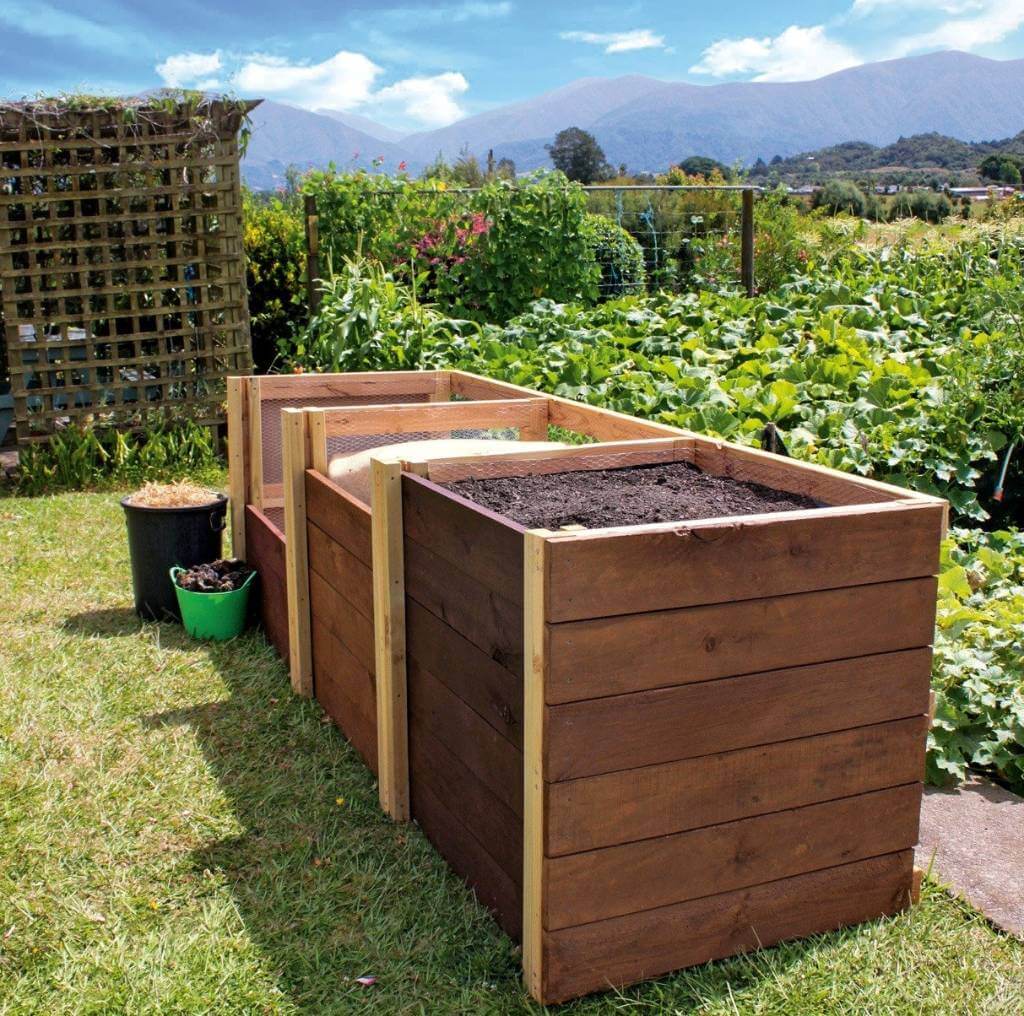
Starting a composting system is simple and can be tailored to fit your living situation. Begin by selecting a compost bin or pile location, ideally in a well-drained, sunny spot. Collect a balanced mix of green materials (such as fruit and vegetable scraps, coffee grounds, and grass clippings) and brown materials (like leaves, straw, and cardboard). Layer these materials, maintaining a balance to ensure proper decomposition. Turn the pile regularly to aerate it and speed up the composting process. Keep the compost moist but not waterlogged. With patience and attention, you'll produce rich compost that can be used to improve your garden soil and support sustainable gardening practices.