The Evolution of Electric Vehicles
The evolution of electric vehicles has transformed the automotive industry, offering sustainable alternatives to traditional combustion engines.
Introduction to Electric Vehicles
The electric vehicle (EV) revolution has been one of the most significant advancements in the automotive industry. Initially perceived as a niche market, EVs have now become a mainstream choice for consumers worldwide. The shift from traditional internal combustion engines to electric powertrains is driven by a combination of environmental concerns, technological advancements, and changing consumer preferences. Electric vehicles offer a cleaner, more sustainable alternative to gasoline and diesel-powered cars, reducing greenhouse gas emissions and dependence on fossil fuels. As technology continues to evolve, EVs are becoming more affordable, efficient, and accessible to a broader audience.
Early Developments and Challenges
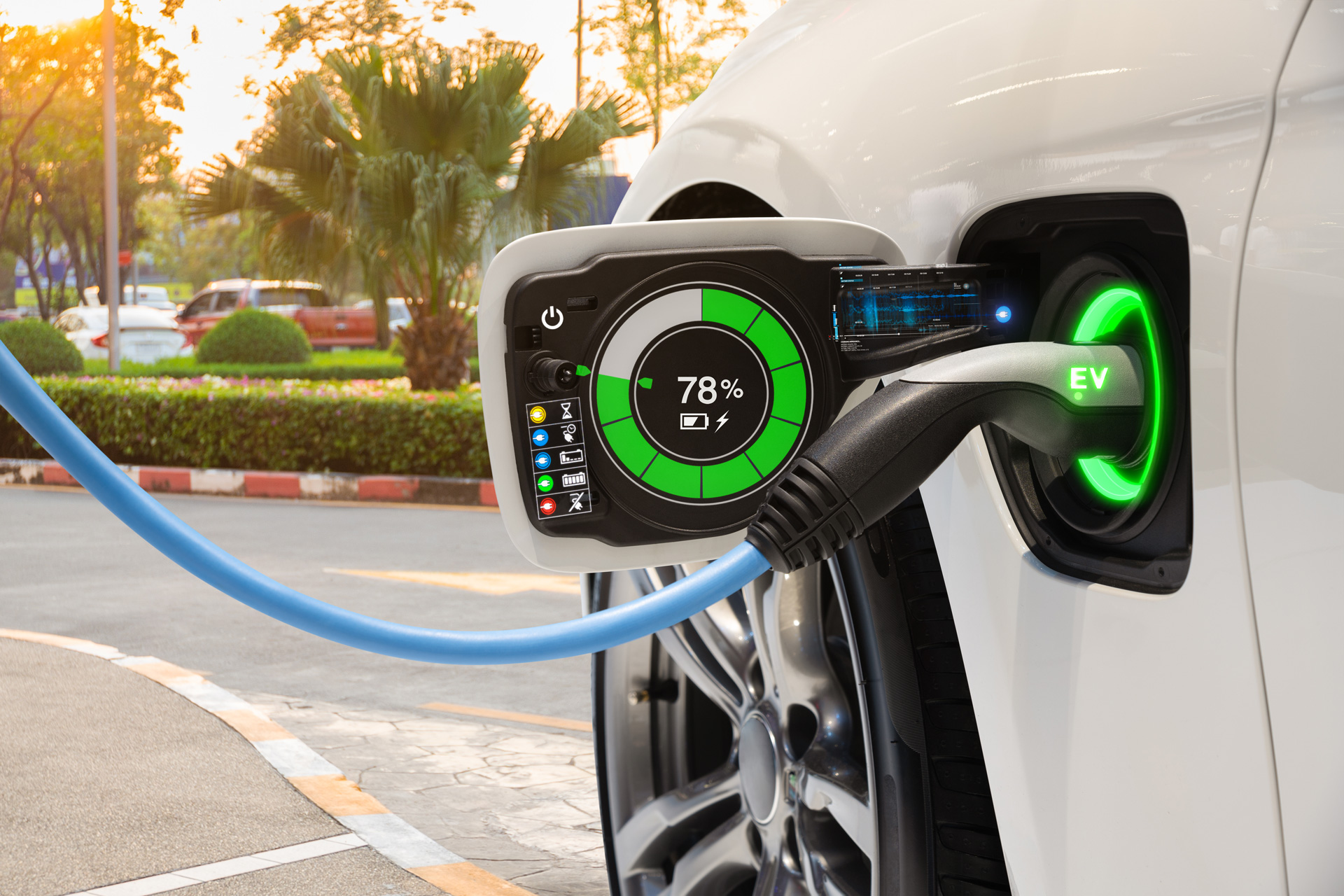
In the early days of electric vehicle development, there were numerous challenges that hindered widespread adoption. Limited battery technology meant that early EVs had short ranges and long charging times, making them impractical for long-distance travel. Additionally, the lack of a robust charging infrastructure further complicated the use of electric vehicles. Despite these obstacles, innovators and engineers continued to push the boundaries of what was possible, leading to gradual improvements in battery capacity, efficiency, and overall vehicle performance. These early efforts laid the groundwork for the more advanced and capable electric vehicles we see on the roads today.
Technological Advancements
The advancement of battery technology has been a game-changer for the electric vehicle industry. Modern lithium-ion batteries offer significantly higher energy densities, allowing for longer ranges and faster charging times. Furthermore, advancements in electric motor design and power electronics have improved the efficiency and performance of electric vehicles. Regenerative braking systems, which capture and store energy during braking, have also contributed to increased efficiency. These technological innovations have not only made electric vehicles more practical for everyday use but have also enhanced their appeal to a broader range of consumers.
Environmental and Economic Impact
One of the most compelling reasons for the adoption of electric vehicles is their positive impact on the environment. By producing zero tailpipe emissions, EVs help reduce air pollution and greenhouse gas emissions, contributing to cleaner air and a healthier planet. Additionally, the shift to electric power can help reduce reliance on oil and other fossil fuels, promoting energy independence and security. From an economic perspective, electric vehicles can offer lower operating and maintenance costs compared to traditional internal combustion engine vehicles. As the cost of batteries continues to decrease, the total cost of ownership for EVs is becoming increasingly competitive with conventional vehicles.
The Future of Electric Vehicles
Looking ahead, the future of electric vehicles is incredibly promising. Continued advancements in battery technology, charging infrastructure, and vehicle design will further enhance the appeal and practicality of EVs. Governments and policymakers around the world are also playing a crucial role by implementing incentives and regulations to promote the adoption of electric vehicles. As consumer awareness and demand for sustainable transportation options grow, the market for electric vehicles is expected to expand rapidly. The transition to electric mobility represents a significant step towards a more sustainable and environmentally friendly future for the automotive industry and society as a whole.