The Future of Autonomous Vehicles
Autonomous vehicles are set to revolutionize transportation, promising safer roads, reduced congestion, and enhanced mobility for all.
The Dawn of Autonomous Technology
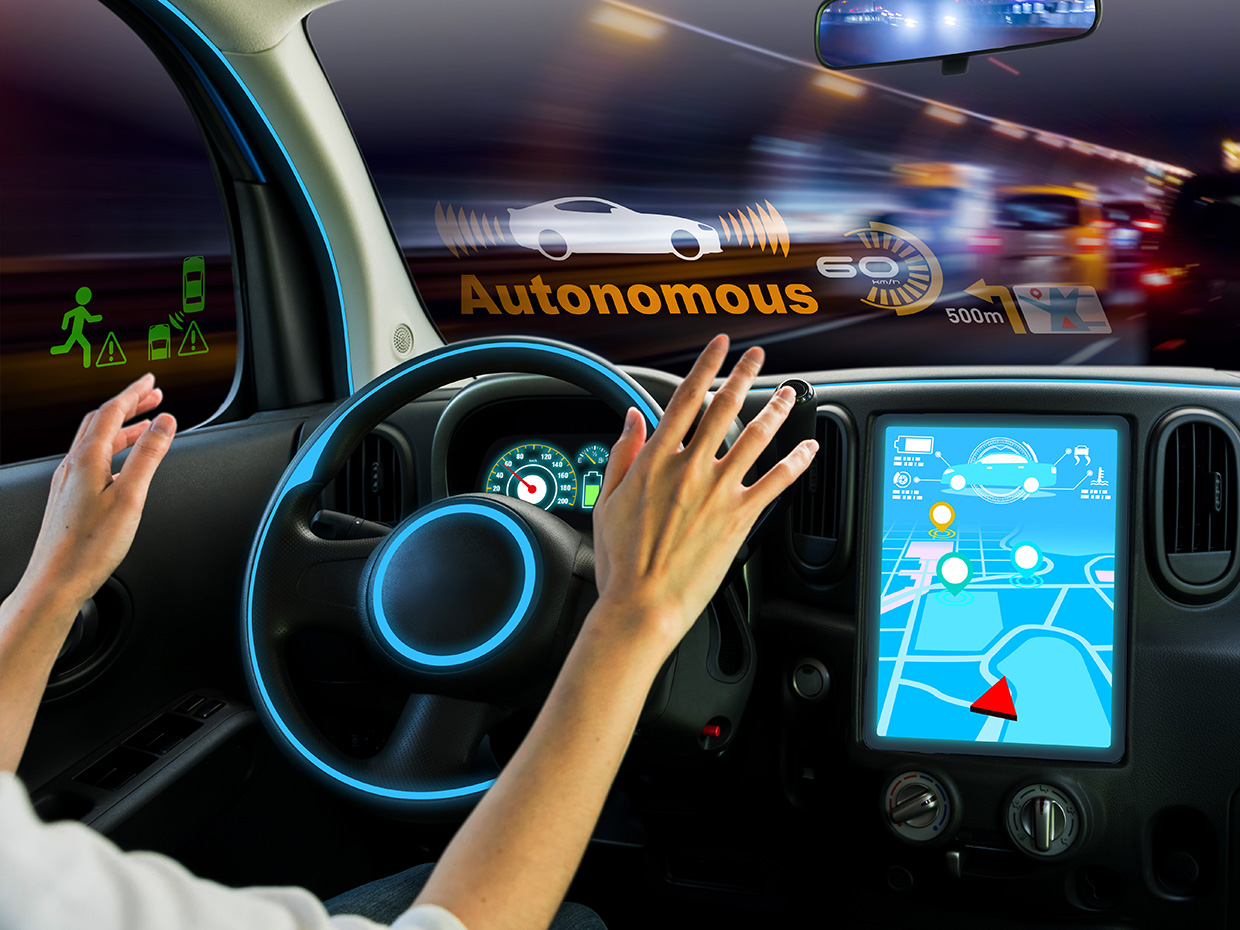
The advent of autonomous vehicles marks a significant milestone in the evolution of transportation. These vehicles, equipped with advanced sensors and algorithms, are designed to navigate without human intervention. The technology leverages machine learning, computer vision, and artificial intelligence to interpret and respond to the driving environment. By continuously learning from vast datasets, autonomous vehicles are expected to enhance safety and efficiency on the roads. The potential for reducing human error, which accounts for a significant percentage of accidents, makes this innovation particularly promising. However, the transition from manual to autonomous driving is a complex process that requires meticulous testing and validation to ensure reliability and safety.
Impact on Urban Mobility
Autonomous vehicles have the potential to revolutionize urban mobility. With the ability to optimize routes and reduce congestion, these vehicles could significantly improve traffic flow in cities. Ride-sharing services could become more efficient, offering cost-effective and convenient transportation options. Moreover, autonomous vehicles could facilitate better use of urban spaces, as the need for extensive parking infrastructure diminishes. This transformation could lead to more pedestrian-friendly environments and enhanced public spaces. However, the integration of autonomous vehicles into existing transportation systems will require substantial infrastructural changes and regulatory adaptations.
Environmental Benefits
The environmental implications of autonomous vehicles are profound. By optimizing driving patterns and reducing idle times, these vehicles can contribute to lower fuel consumption and emissions. The shift towards electric autonomous vehicles further amplifies these benefits, promoting a cleaner and more sustainable future. Additionally, the precise control mechanisms in autonomous vehicles can lead to smoother driving, reducing wear and tear on roads and infrastructure. As a result, maintenance costs and resource consumption could decrease, contributing to overall environmental sustainability.
Challenges in Implementation
Despite the promising potential, the implementation of autonomous vehicles faces several challenges. Technical hurdles such as ensuring the reliability of sensors and algorithms in diverse conditions are significant. Additionally, cybersecurity concerns must be addressed to protect vehicles from malicious attacks. Legal and regulatory frameworks need to evolve to accommodate autonomous technology, addressing liability and safety standards. Public acceptance is another critical factor, as trust in autonomous systems must be built over time through demonstrated safety and reliability. Collaborative efforts among stakeholders, including technology developers, policymakers, and the public, are essential to overcoming these challenges.
Economic Implications
The widespread adoption of autonomous vehicles could have profound economic impacts. Job displacement in driving-related professions is a significant concern, necessitating strategies for workforce retraining and transition. Conversely, new job opportunities in technology development, maintenance, and cybersecurity could emerge. The automotive industry may experience shifts in business models, with a greater emphasis on software and services rather than traditional vehicle manufacturing. Additionally, cost savings from reduced accidents and optimized transportation could benefit both consumers and businesses. Balancing these economic shifts will be crucial to ensuring a smooth transition to an autonomous future.
Enhancing Accessibility
Autonomous vehicles hold the promise of enhancing accessibility for individuals with disabilities and the elderly. By providing reliable and independent transportation options, these vehicles can significantly improve the quality of life for these populations. Autonomous vehicles can also bridge transportation gaps in underserved areas, offering mobility solutions where traditional public transport is limited. The design of these vehicles can be tailored to accommodate various needs, ensuring inclusivity. However, ensuring affordability and widespread availability will be key to realizing these accessibility benefits.
The Road Ahead
The journey towards fully autonomous vehicles is ongoing, with continuous advancements in technology and infrastructure. Collaborative innovation among industry leaders, researchers, and governments is driving progress. Pilot programs and real-world testing are critical to refining autonomous systems and building public trust. As the technology matures, the integration of autonomous vehicles into daily life will likely become more seamless. The future of transportation holds the promise of safer, more efficient, and more sustainable mobility, with autonomous vehicles playing a pivotal role in this transformation.