The Role of AI in Modern Vehicles
AI in modern vehicles enhances safety, efficiency, and convenience through autonomous driving, predictive maintenance, and personalized experiences.
Enhancing Safety with AI
Modern vehicles are increasingly equipped with Artificial Intelligence (AI) systems designed to enhance safety. These advanced technologies utilize a combination of sensors, cameras, and machine learning algorithms to monitor and respond to various driving conditions. For instance, collision avoidance systems use AI to detect potential obstacles and automatically apply brakes if necessary. Additionally, lane-keeping assistance systems help drivers maintain their lanes by gently steering the vehicle back on course. By continuously learning from real-time data, these AI systems improve their accuracy and reliability, significantly reducing the risk of accidents and enhancing overall road safety.
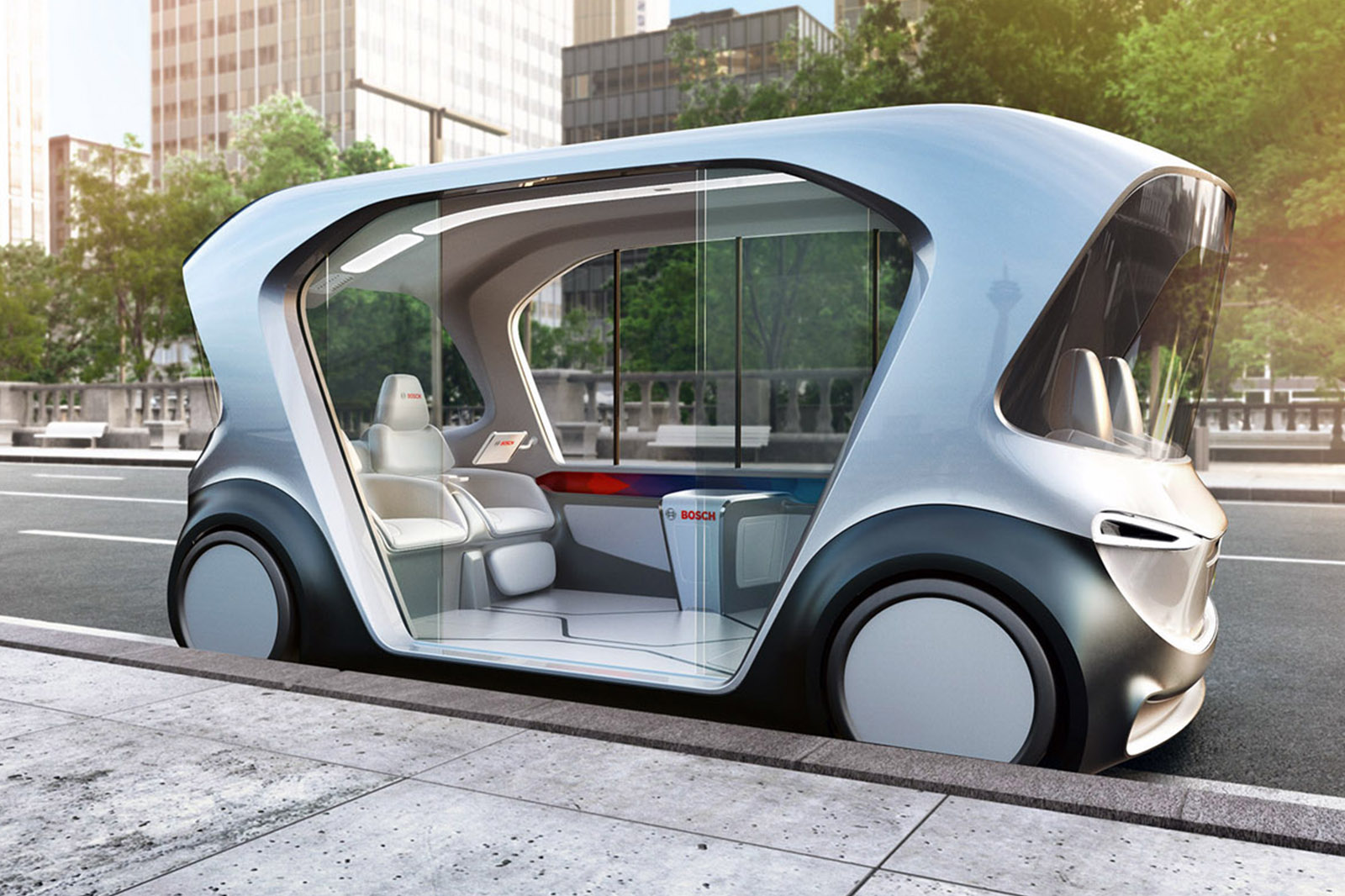
Autonomous Driving
One of the most groundbreaking applications of AI in modern vehicles is autonomous driving. Self-driving cars leverage a complex network of AI algorithms to navigate roads, interpret traffic signals, and make split-second decisions. These vehicles are equipped with an array of sensors, including LiDAR, radar, and cameras, to create a detailed map of their surroundings. AI processes this information to control the vehicle's speed, direction, and braking. While fully autonomous vehicles are still in development, many modern cars already feature semi-autonomous capabilities, such as adaptive cruise control and automated parking, showcasing the transformative potential of AI in reshaping transportation.
Personalized Driving Experience
AI is also revolutionizing the personalized driving experience. Through machine learning, vehicles can adapt to individual driver preferences, such as seat positioning, climate control settings, and infotainment options. Voice-activated assistants powered by AI allow drivers to control various functions without taking their hands off the wheel, enhancing convenience and safety. Furthermore, AI can analyze driving patterns and suggest optimal routes to save time and fuel. This level of personalization not only makes driving more enjoyable but also contributes to a more efficient and sustainable transportation system.
Predictive Maintenance
AI plays a crucial role in predictive maintenance, ensuring vehicles remain in optimal condition. By continuously monitoring various components, AI systems can predict potential failures before they occur. For example, AI can analyze data from engine sensors to detect early signs of wear and tear, alerting drivers to perform necessary maintenance. This proactive approach helps prevent costly repairs and unexpected breakdowns, extending the lifespan of the vehicle. Additionally, AI can optimize maintenance schedules based on usage patterns, ensuring that servicing is done at the most convenient and cost-effective times.
Enhancing Connectivity
The integration of AI in modern vehicles significantly enhances connectivity. AI enables vehicles to communicate with each other and with infrastructure, creating a cohesive network known as Vehicle-to-Everything (V2X) communication. This connectivity allows for real-time updates on traffic conditions, road hazards, and weather changes, enabling drivers to make informed decisions. Moreover, AI can facilitate over-the-air updates for vehicle software, ensuring that systems are always up-to-date with the latest features and security patches. Enhanced connectivity not only improves the driving experience but also paves the way for smarter, more efficient transportation networks.