The Ultimate Guide to Running Your First Marathon
Discover essential tips, training plans, and expert advice to help you successfully run your first marathon with confidence and ease.
Setting Your Goals and Expectations
Running your first marathon is a monumental achievement that requires careful planning and dedication. Before you lace up your running shoes, it's crucial to set realistic goals and expectations. Understand that a marathon is a 26.2-mile race, and finishing it is a victory in itself. Consider your current fitness level and set a timeline that allows ample time for training. A common goal for beginners is simply to finish the race, but as you progress, you might aim for a specific time. Remember, the journey is just as important as the destination, so enjoy the process and celebrate small milestones along the way.
Crafting a Training Plan
A well-structured training plan is essential for marathon success. Start with a base of consistent running, gradually increasing your mileage each week. Most plans include a mix of long runs, shorter runs, and rest days to allow your body to recover. Incorporate cross-training activities like cycling or swimming to build overall fitness and prevent injury. It's also vital to include strength training exercises to enhance muscle endurance and stability. Stick to your plan but be flexible; life happens, and sometimes you'll need to adjust. The key is consistency and listening to your body.
Nutrition and Hydration
Fueling your body properly is crucial for marathon training. Focus on a balanced diet rich in carbohydrates, proteins, and healthy fats. Carbohydrates are your primary energy source, so ensure you're getting enough from whole grains, fruits, and vegetables. Protein aids in muscle recovery, while healthy fats provide long-lasting energy. Hydration is equally important; drink water throughout the day and consider sports drinks during longer runs to replenish electrolytes. Pay attention to how your body responds to different foods and adjust your diet as needed. Experiment with pre-run and post-run meals to find what works best for you.
The Importance of Rest and Recovery
Rest and recovery are often overlooked but are critical components of marathon training. Your muscles need time to repair and grow stronger, so schedule regular rest days and listen to your body. Incorporate active recovery techniques like yoga or light stretching to maintain flexibility and reduce soreness. Consider regular massages or foam rolling to alleviate muscle tension. Sleep is another vital aspect of recovery; aim for 7-9 hours per night to ensure your body has adequate time to heal. Remember, pushing too hard without proper recovery can lead to injury and derail your training.
Mental Preparation
Running a marathon is as much a mental challenge as it is a physical one. Develop a mental strategy to keep yourself motivated and focused. Visualize crossing the finish line and remind yourself of your reasons for running. Break the race into smaller segments to make it more manageable. Practice positive self-talk and stay optimistic, even when training gets tough. Join a running group or find a training partner for support and encouragement. Mental resilience is built over time, so use your training runs to practice staying calm and focused under pressure.
Race Day Tips
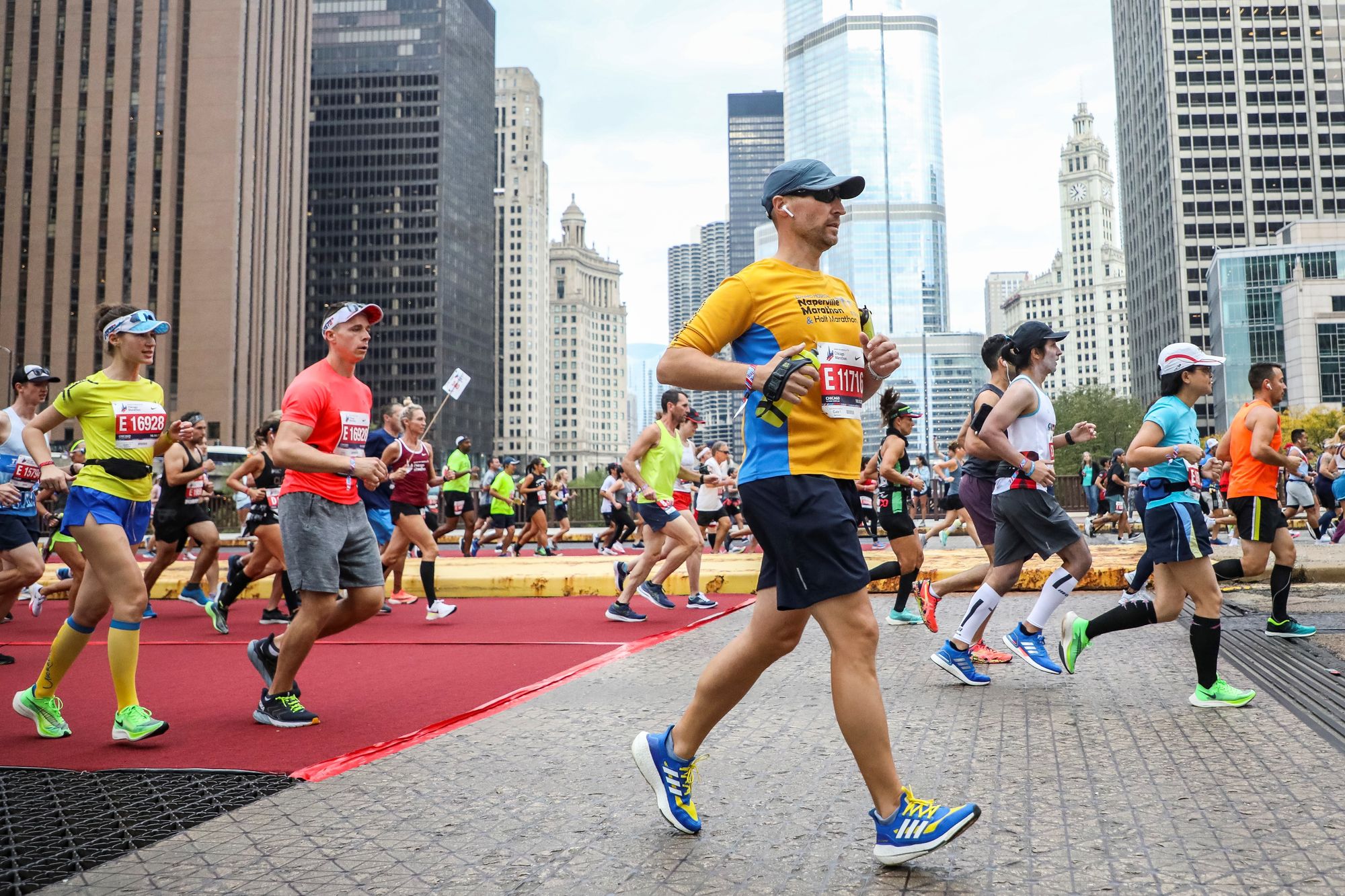
Race day is the culmination of all your hard work, so it's important to be prepared. Lay out your gear the night before and ensure you have everything you need, from your running shoes to your race bib. Arrive early to familiarize yourself with the course and find your starting corral. Start the race at a comfortable pace; it's easy to get caught up in the excitement and go out too fast. Stay hydrated and take advantage of water stations along the route. Listen to your body and adjust your pace as needed. Most importantly, enjoy the experience and soak in the atmosphere.
Post-Race Recovery
Completing a marathon is an incredible achievement, but recovery doesn't end at the finish line. Focus on post-race recovery to help your body heal and prevent injury. Start with gentle stretching and walking to cool down. Refuel with a balanced meal rich in carbohydrates and protein to aid muscle recovery. Continue to hydrate and consider an ice bath to reduce inflammation. Give yourself a few days of rest before gradually resuming light activity. Reflect on your marathon experience, celebrate your accomplishment, and consider setting new fitness goals for the future.