Understanding and Managing Chronic Pain
Chronic pain affects millions worldwide, disrupting daily life. Learn its causes, treatments, and management strategies to regain control.
What is Chronic Pain?
Chronic pain is a persistent pain that lasts for weeks, months, or even years. Unlike acute pain, which serves as a warning signal of injury or illness, chronic pain continues long after the initial cause has been treated. It can stem from conditions like arthritis, back problems, or nerve damage. Chronic pain can be constant or intermittent, and its severity can range from mild to debilitating. Understanding the nature of chronic pain is crucial for effective management. The complexity of this condition often requires a multifaceted approach that includes medical treatments, lifestyle adjustments, and psychological support.
Causes of Chronic Pain
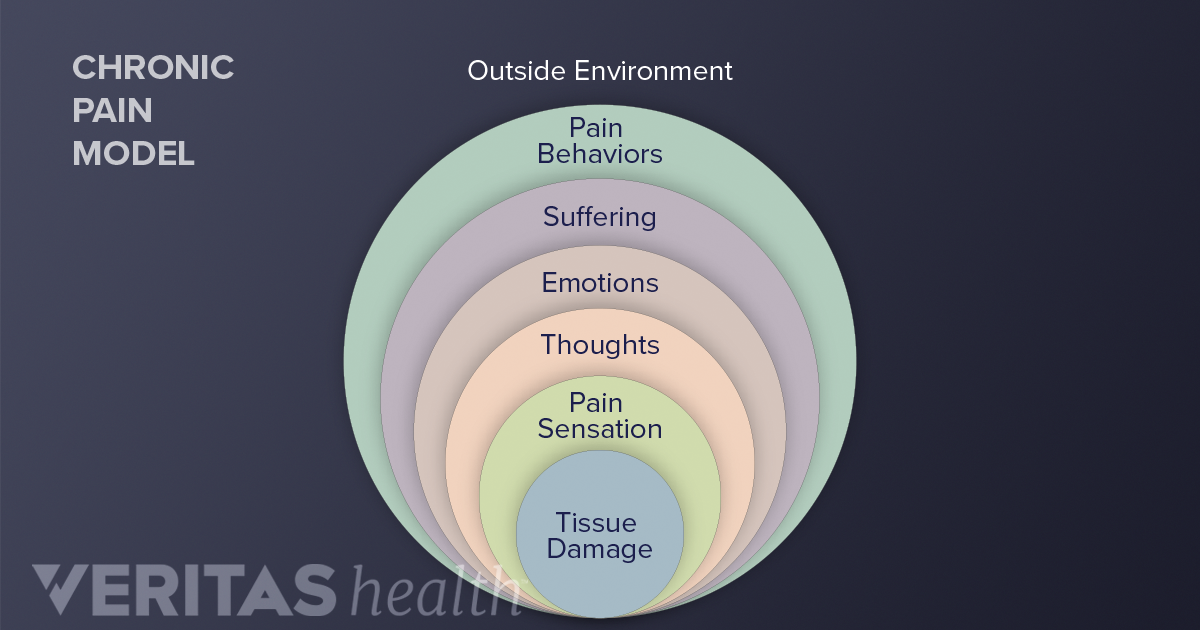
There are numerous causes of chronic pain, and identifying the underlying source can be challenging. Common causes include past injuries, surgeries, and diseases like diabetes or cancer. Sometimes, the pain persists even after the original cause has healed, which can be due to nerve damage or an ongoing inflammatory process. Psychological factors such as stress, anxiety, and depression can also exacerbate chronic pain. It's important to consult healthcare professionals to diagnose the root cause accurately. A comprehensive understanding of the underlying factors can guide more effective treatment strategies.
Symptoms and Diagnosis
The symptoms of chronic pain can vary widely depending on the individual and the underlying cause. Common symptoms include a dull ache, burning sensation, stiffness, and throbbing. These symptoms can lead to fatigue, sleep disturbances, and decreased mobility. Diagnosing chronic pain often involves a thorough medical history, physical examinations, and diagnostic tests like X-rays or MRIs. Healthcare providers may also use pain scales and questionnaires to assess the intensity and impact of the pain on daily life. Accurate diagnosis is essential for developing an effective treatment plan tailored to the patient's specific needs.
Treatment Options
Managing chronic pain often requires a multidisciplinary approach that combines medical treatments with lifestyle changes. Medications such as analgesics, anti-inflammatory drugs, and antidepressants can help alleviate symptoms. Physical therapy, acupuncture, and chiropractic care are also commonly used to manage pain. Psychological therapies like cognitive-behavioral therapy (CBT) can help patients cope with the emotional aspects of chronic pain. In some cases, surgical interventions may be necessary. It's essential to work closely with healthcare providers to develop a personalized treatment plan that addresses all aspects of chronic pain.
Lifestyle Adjustments
Making lifestyle adjustments can significantly impact the management of chronic pain. Regular exercise, such as walking or swimming, can improve mobility and reduce pain. A balanced diet rich in anti-inflammatory foods can also help manage symptoms. Stress management techniques like meditation, deep breathing exercises, and yoga can alleviate both physical and emotional pain. Adequate sleep is crucial for pain management, so establishing a regular sleep routine is beneficial. Support from family, friends, and support groups can provide emotional relief and practical advice. These adjustments can complement medical treatments and enhance overall well-being.
The Importance of Support
Living with chronic pain can be an isolating experience, making support systems crucial for emotional and psychological well-being. Family and friends can offer emotional support and practical assistance, helping to alleviate some of the daily challenges associated with chronic pain. Support groups, both in-person and online, provide a community of individuals who understand the struggles of living with chronic pain. Professional counseling can also be beneficial in managing the emotional toll. Building a strong support network can improve coping mechanisms, reduce feelings of isolation, and enhance the overall quality of life for those living with chronic pain.