Understanding Engine Performance: A Comprehensive Guide
Discover the key factors that influence engine performance, from fuel efficiency to horsepower, in this comprehensive guide.
Introduction to Engine Performance
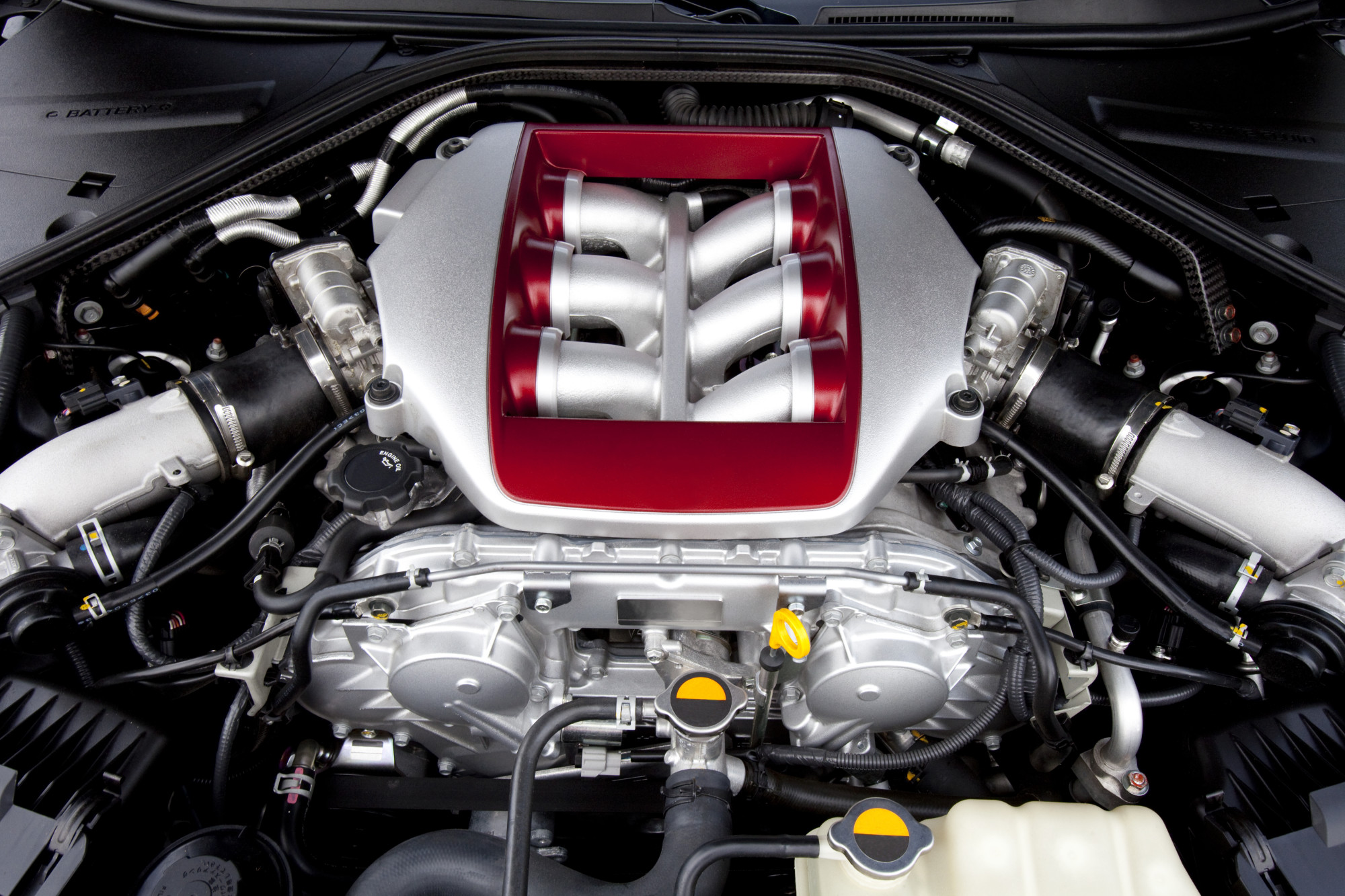
Understanding engine performance is crucial for anyone interested in motors, whether you're a professional mechanic or a car enthusiast. Engine performance refers to how well an engine converts fuel into power and how efficiently it uses that power to propel the vehicle. Key factors that influence engine performance include fuel type, engine design, and maintenance practices. By understanding these elements, you can better appreciate the intricacies of engine function and optimize your vehicle's performance.
Fuel Types and Their Impact
The type of fuel you use can significantly impact engine performance. Gasoline, diesel, and alternative fuels like ethanol or biodiesel each have unique properties that affect combustion efficiency and power output. For instance, diesel engines are known for their high torque and fuel efficiency, while gasoline engines typically offer higher RPMs and quicker acceleration. Understanding the pros and cons of each fuel type can help you make informed decisions about which is best for your vehicle's needs.
Engine Design and Configuration
The design and configuration of an engine also play a vital role in its performance. Inline, V-shaped, and boxer engines each have distinct characteristics that influence power delivery and efficiency. For example, inline engines are often praised for their simplicity and smooth operation, while V-shaped engines are known for their compact size and high power output. Understanding these design differences can help you appreciate the strengths and weaknesses of various engine types.
The Role of Air Intake and Exhaust Systems
Air intake and exhaust systems are critical components that affect engine performance. An efficient air intake system ensures that the engine receives a sufficient amount of clean air for combustion, while a well-designed exhaust system helps to expel exhaust gases quickly and efficiently. Upgrading these systems can lead to significant improvements in horsepower, torque, and overall engine efficiency. For example, performance air filters and exhaust headers are popular modifications among car enthusiasts looking to boost engine performance.
Importance of Regular Maintenance
Regular maintenance is essential for maintaining optimal engine performance. This includes routine tasks such as oil changes, spark plug replacements, and air filter cleaning. Neglecting these tasks can lead to decreased fuel efficiency, reduced power output, and even engine damage. By following a consistent maintenance schedule, you can ensure that your engine operates at peak performance and extends its lifespan.
Understanding Engine Tuning
Engine tuning involves adjusting various parameters to optimize performance. This can include reprogramming the ECU (Engine Control Unit), modifying the air-fuel mixture, and adjusting ignition timing. Tuning can help unlock additional power and improve fuel efficiency, but it requires a thorough understanding of engine dynamics and the use of specialized tools. Whether you're looking to increase horsepower for racing or improve fuel economy for daily driving, engine tuning can provide significant benefits.
The Future of Engine Performance
The future of engine performance is being shaped by advancements in technology and a growing emphasis on sustainability. Innovations such as turbocharging, direct fuel injection, and hybrid powertrains are pushing the boundaries of what engines can achieve. Additionally, the rise of electric vehicles is introducing new paradigms in performance metrics. As technology continues to evolve, the potential for even greater efficiency and power in engines is limitless. Understanding these trends can help you stay ahead of the curve and make informed decisions about your vehicle's performance.