Workplace Trends Redefining the Office
Explore how hybrid work models, digital collaboration tools, and wellness initiatives are reshaping the modern office landscape.
Remote Work Revolution
The concept of the traditional office is being redefined by the remote work revolution. Companies are increasingly adopting flexible work arrangements, allowing employees to work from home or other remote locations. This shift has been driven by advancements in technology, such as high-speed internet and collaborative software, which enable seamless communication and productivity from anywhere in the world. As a result, employees enjoy a better work-life balance, reduced commuting stress, and increased job satisfaction. Employers benefit from reduced overhead costs and access to a global talent pool. However, this trend also presents challenges, such as maintaining team cohesion and managing remote workers effectively. Companies are addressing these issues by implementing regular virtual meetings, fostering a strong company culture, and providing remote work training and support.
Flexible Workspaces
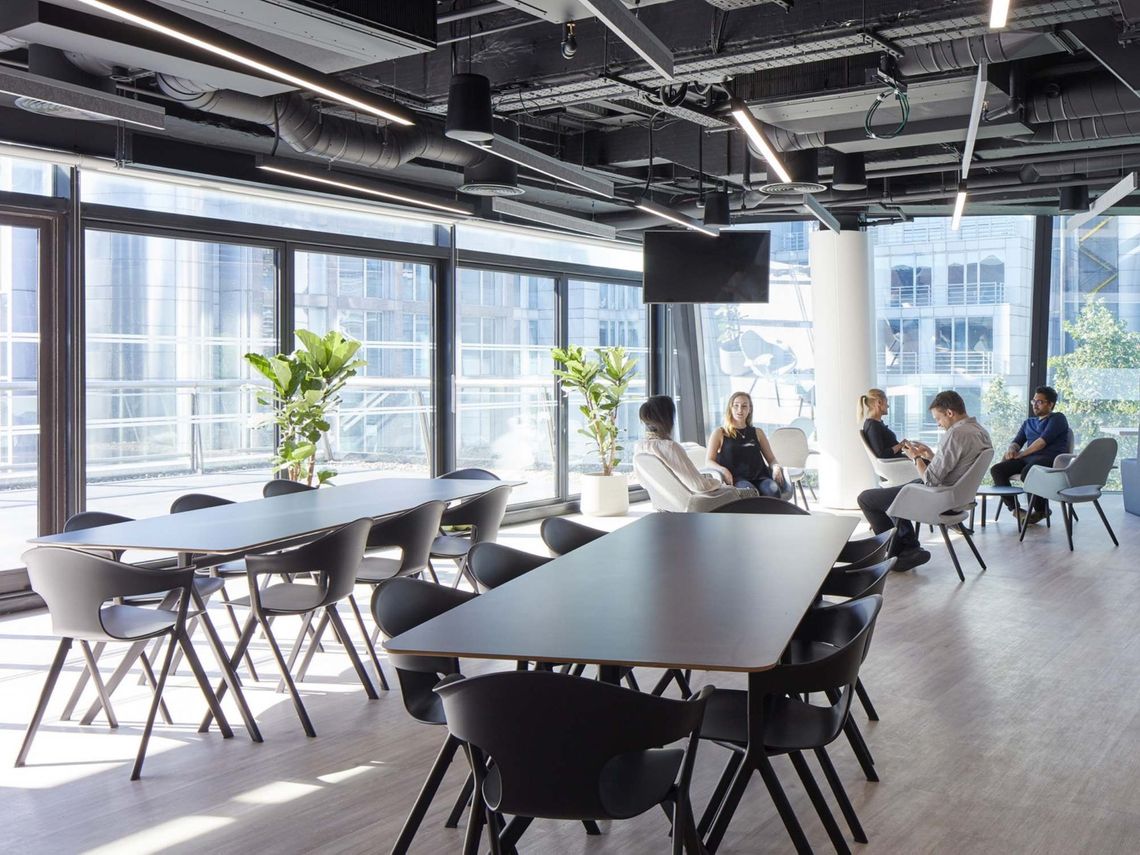
In response to the evolving needs of the modern workforce, flexible workspaces are becoming more popular. These dynamic environments include hot-desking, co-working spaces, and multi-functional areas that can be easily reconfigured to suit various tasks and team sizes. Flexible workspaces offer employees the freedom to choose where and how they work, promoting creativity and collaboration. They also enable companies to optimize their office space, reducing costs and improving efficiency. To support this trend, businesses are investing in modular furniture, advanced booking systems, and adaptable infrastructure. This approach not only enhances employee satisfaction but also fosters a more agile and resilient organization.
Emphasis on Employee Well-being
A growing focus on employee well-being is transforming the workplace. Companies are recognizing that a healthy, happy workforce is more productive and engaged. To support this, they are implementing wellness programs, offering mental health resources, and creating ergonomic work environments. Additionally, businesses are encouraging work-life balance by promoting flexible schedules, providing paid time off, and supporting family-friendly policies. By prioritizing employee well-being, companies can reduce burnout, lower turnover rates, and attract top talent. This holistic approach to workplace health is becoming a key differentiator in the competitive job market.
Technology Integration
The integration of cutting-edge technology is reshaping the office landscape. From artificial intelligence and machine learning to the Internet of Things (IoT) and virtual reality, these innovations are enhancing productivity, streamlining operations, and improving decision-making. For example, AI-powered tools can automate routine tasks, freeing up employees to focus on more strategic initiatives. IoT devices enable real-time monitoring of office environments, optimizing energy usage and ensuring a comfortable workspace. Virtual reality can be used for immersive training sessions, remote collaboration, and even virtual office tours. By embracing these technologies, companies can stay ahead of the curve and create a more efficient, innovative workplace.
Sustainability and Green Offices
As environmental concerns continue to rise, sustainability is becoming a top priority for businesses. Green office initiatives aim to reduce the environmental impact of workplace operations through energy-efficient practices, waste reduction, and sustainable sourcing. Companies are investing in eco-friendly office designs, such as using recycled materials, incorporating natural lighting, and implementing energy-saving technologies. Additionally, businesses are encouraging employees to adopt sustainable habits, such as reducing paper usage, recycling, and utilizing public transportation. By prioritizing sustainability, companies not only contribute to environmental preservation but also enhance their brand reputation and appeal to eco-conscious consumers and employees.
Diversity and Inclusion
Promoting diversity and inclusion in the workplace is essential for fostering innovation, creativity, and a positive company culture. Companies are making concerted efforts to create diverse teams by implementing inclusive hiring practices, offering diversity training, and supporting employee resource groups. A diverse workforce brings a wide range of perspectives, experiences, and ideas, which can drive better problem-solving and decision-making. Inclusion initiatives ensure that all employees feel valued, respected, and empowered to contribute their best work. By embracing diversity and inclusion, companies can build a more dynamic, competitive, and socially responsible organization.
Agile Work Practices
Agile work practices are transforming how teams operate and deliver value. Originating from the software development industry, agile methodologies emphasize flexibility, collaboration, and continuous improvement. Companies across various sectors are adopting these principles to enhance project management, streamline workflows, and respond quickly to changing market demands. Agile practices involve breaking projects into smaller, manageable tasks, holding regular check-ins, and fostering open communication among team members. This approach enables teams to identify and address issues promptly, adapt to new information, and deliver high-quality results more efficiently. By embracing agile work practices, organizations can improve their responsiveness, innovation, and overall performance.