Yoga for Beginners: Poses and Benefits
Discover the essential yoga poses for beginners and the numerous benefits of starting a yoga practice, from flexibility to mental clarity.
Introduction to Yoga for Beginners
Starting a yoga practice can be an enriching journey that brings both physical and mental benefits. For beginners, it's essential to understand that yoga is not just about flexibility or difficult poses; it's about connecting with your body and mind. You don't need to be an expert to start yoga; all you need is an open mind and a willingness to learn. This article will guide you through some basic poses and highlight the numerous benefits of incorporating yoga into your daily routine. Whether you are looking to improve your physical health, reduce stress, or find a new way to stay active, yoga offers something for everyone.
Basic Poses to Get Started
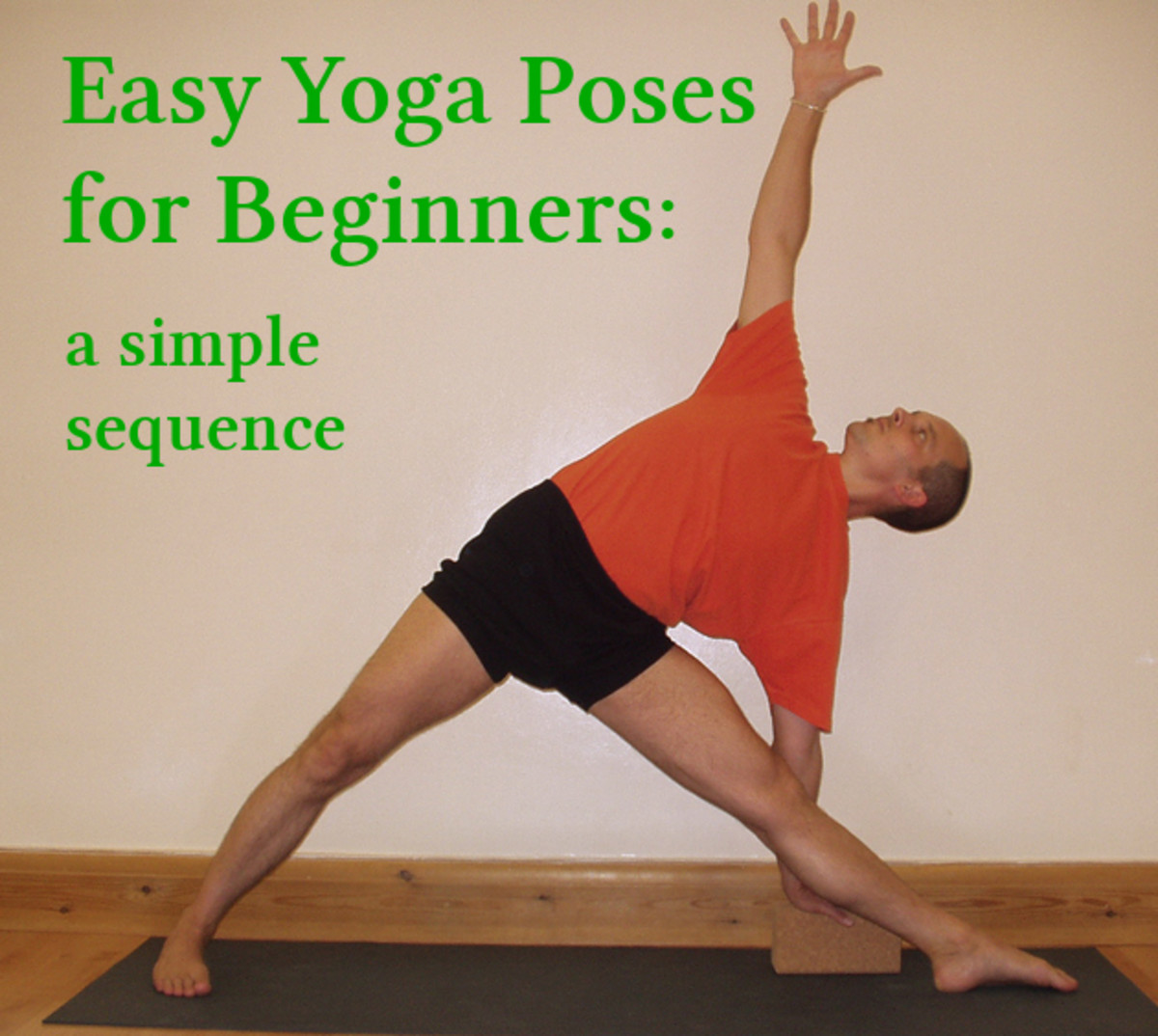
When starting with yoga, it's crucial to begin with simple, foundational poses. Mountain Pose (Tadasana) is a great starting point; it helps with posture and balance. Stand with your feet together, arms at your sides, and focus on aligning your body. Another essential pose is Downward-Facing Dog (Adho Mukha Svanasana), which stretches the entire body and strengthens the arms and legs. To perform this pose, start on your hands and knees, lift your hips toward the ceiling, and create an inverted V shape with your body. Child's Pose (Balasana) is excellent for relaxation and stretching the back. Kneel on the floor, sit back on your heels, and stretch your arms forward. These basic poses are the building blocks for more advanced postures.
Physical Benefits of Yoga
Yoga offers a wide range of physical benefits that can improve your overall health. Regular practice can increase flexibility, making everyday movements easier and reducing the risk of injuries. It also strengthens muscles, enhancing endurance and stability. Yoga is known for improving posture, which can alleviate back and neck pain caused by prolonged sitting or poor alignment. Additionally, yoga can boost cardiovascular health by improving circulation and lowering blood pressure. The gentle movements and stretches involved in yoga can also aid in digestion and detoxification. Incorporating yoga into your fitness routine can lead to a more balanced and healthy body.
Mental Health Benefits
Beyond physical health, yoga has profound mental health benefits. Practicing yoga can reduce stress and anxiety by promoting relaxation and mindfulness. Techniques such as deep breathing and meditation help calm the mind and enhance focus. Yoga encourages a mind-body connection, which can lead to greater self-awareness and emotional stability. Regular practice can also improve sleep quality, helping you feel more rested and energized. Additionally, yoga fosters a sense of community and belonging, which can be especially beneficial for those feeling isolated or disconnected. By integrating yoga into your life, you can achieve a more peaceful and balanced state of mind.
Creating a Consistent Practice
To reap the full benefits of yoga, consistency is key. Start by setting aside a specific time each day for your practice, even if it's just for 10-15 minutes. Find a quiet space where you won't be disturbed, and create a calming environment with soft lighting and soothing music. Use a yoga mat for comfort and stability. It's also helpful to follow a structured routine or join a beginner's yoga class to stay motivated and learn proper techniques. Remember, progress in yoga is gradual, and it's important to listen to your body and avoid pushing yourself too hard. With regular practice, you'll notice improvements in both your physical and mental well-being.
Tips for Beginners
Starting yoga can be intimidating, but these tips for beginners can help ease the process. First, wear comfortable clothing that allows for a full range of motion. Stay hydrated and avoid eating heavy meals before practice. Focus on your breath; deep, controlled breathing is a fundamental aspect of yoga. Don't be discouraged if you can't perform a pose perfectly right away; yoga is about progress, not perfection. Use props like blocks or straps to assist with poses if needed. Most importantly, be patient and compassionate with yourself. Yoga is a personal journey, and everyone's experience is unique. Embrace the process and enjoy the benefits it brings.
Conclusion
Yoga is a versatile and accessible practice that offers numerous benefits for beginners. By starting with basic poses and gradually building your practice, you can improve your physical health, reduce stress, and achieve a greater sense of well-being. Remember to stay consistent, listen to your body, and enjoy the journey. Whether you're looking to enhance your fitness routine or find a new way to relax, yoga can be a valuable addition to your life. Embrace the practice with an open heart and mind, and you'll discover the many rewards it has to offer.